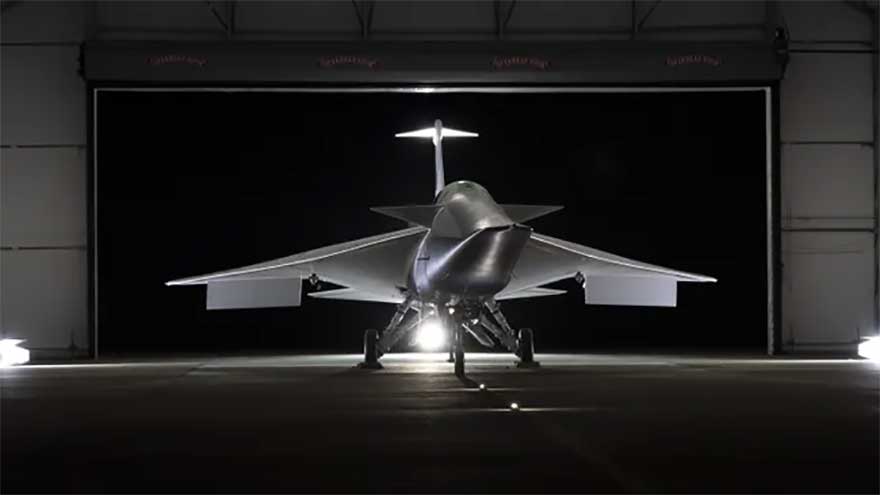
NASA and Lockheed Martin’s experimental X-59 supersonic aircraft completed its first flight in October, marking a key milestone in the effort to reintroduce commercial supersonic travel in the United States. Unlike traditional supersonic jets, the X-59 is designed to produce a soft “thump” instead of a loud sonic boom, making supersonic flights potentially feasible over populated areas.
The test flight, lasting about an hour, took off from Lockheed Martin’s Skunk Works facility in Palmdale, California, and landed at NASA’s Armstrong Flight Research Center in Edwards, California. While the aircraft did not reach supersonic speeds during this flight, which focused on system checks, it reached a top speed of 240 mph (386 km/h) at an altitude of around 12,000 feet.
Read More: China, NASA join forces to prevent satellite crash in historic move
The X-59’s unique design, including its elongated, chisel-shaped nose, separates shockwaves generated by supersonic flight into smaller waves, reducing the sound to a level similar to a car door slamming. This innovation aims to address the ban on supersonic flights over land in the U.S., in place since 1973 due to the disruptive and sometimes damaging effects of loud sonic booms.
Future test flights will push the X-59 to supersonic speeds and assess public reaction to the quieter “thumps.” If successful, the program could pave the way for a new era of faster, quieter commercial air travel in the U.S., allowing passengers to cross the country in a fraction of the current travel time.