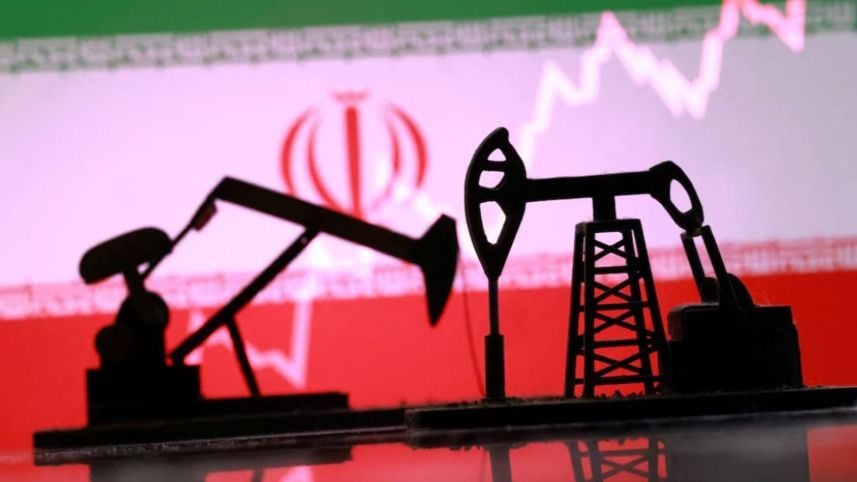
Global oil prices climbed sharply on Thursday after tensions between the United States and Iran intensified, raising fresh concerns about energy supplies from the Middle East. Investors reacted to reports of further military escalation and growing uncertainty surrounding one of the world’s most important oil transportation routes.
Brent crude rose by $1.48 to reach $94.58 per barrel, while US West Texas Intermediate crude gained $1.71 to trade at $91.74 per barrel. Earlier in the session, US crude futures jumped by more than $3 as traders responded to fears of prolonged disruptions in global energy flows.
The market received another shock after Iran announced the closure of the Strait of Hormuz, a critical maritime corridor that normally handles around one-fifth of global oil and gas shipments. The move heightened concerns about supply shortages and increased the risk of further volatility across international energy markets.
Meanwhile, the United States confirmed additional military strikes against targets inside Iran, signaling a deeper escalation in the conflict. The latest developments have weakened hopes for a near-term diplomatic breakthrough and increased concerns that disruptions to regional energy exports could continue for an extended period.
Supply concerns also intensified after official data showed US crude inventories fell by 7.2 million barrels to 426.5 million barrels during the week ending June 5. The decline exceeded market expectations and highlighted strong demand pressures, while total US crude stockpiles have reportedly dropped by 79 million barrels since the conflict began earlier this year.
Adding to the pressure, oil production among major exporting nations remained constrained, with output falling to its lowest level in more than two decades. As a result, tighter supplies, geopolitical uncertainty, and continued disruptions to shipping routes have combined to keep global oil prices elevated and markets on edge.