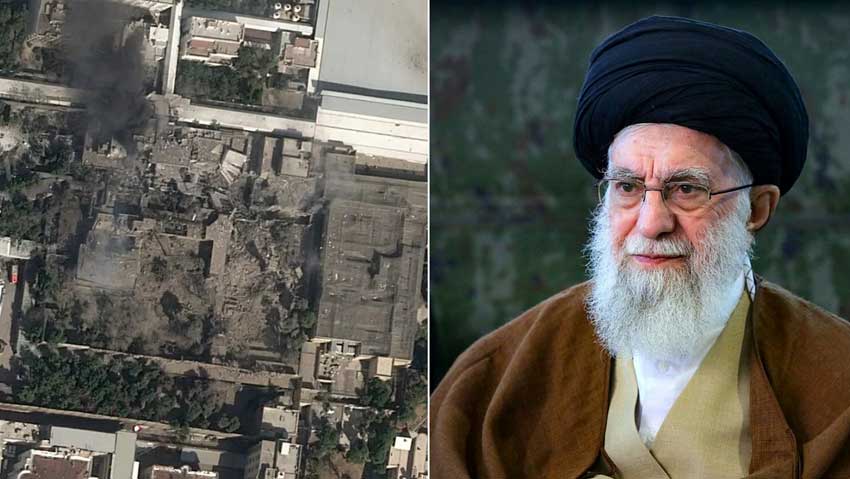
American intelligence helped guide the strikes that reportedly martyred Ali Khamenei in Tehran, according to a report citing sources familiar with the operation. The intelligence indicated that he would attend a high-level meeting at a leadership compound in the capital. Officials then adjusted strike timing based on the updated information. Consequently, the planning shifted from nighttime to early morning execution.
Read more : Iran begins historic succession process after Khamenei –
The report stated that the Central Intelligence Agency tracked Khamenei for months and monitored his movements closely. Intelligence agencies learned that senior Iranian officials planned to meet on Saturday morning inside a compound in central Tehran. After receiving this information, Washington shared details with Israeli counterparts. Therefore, coordination increased between US and Israeli planners.
According to the report, the United States and Israel originally planned to launch the operation at night but revised the schedule after reviewing intelligence data. The strikes began around 6 a.m. local time in Israel and targeted the compound hours later. Long-range missiles reportedly hit the site at approximately 9:40 a.m. As a result, the operation unfolded in a tightly coordinated sequence.
Read more : Iran launches fresh strikes on US bases after Khamenei incident
Iranian state media later confirmed that Khamenei was martyred during the strikes in Tehran, alongside other senior officials. Authorities also reported the deaths of top military leaders, including General Mohammad Pakpour and security adviser Ali Shamkhani. Iranian judicial sources confirmed additional casualties within leadership ranks. Consequently, the attack significantly impacted Iran’s national security structure.
Following the strikes, Iran launched retaliatory operations targeting areas across the Gulf region, including near US military installations. Reports indicated heightened tensions in locations such as Abu Dhabi as air defenses activated. Meanwhile, US President Donald Trump stated that military operations would continue as long as necessary. Ultimately, the situation continues to escalate, raising concerns about a wider regional conflict.