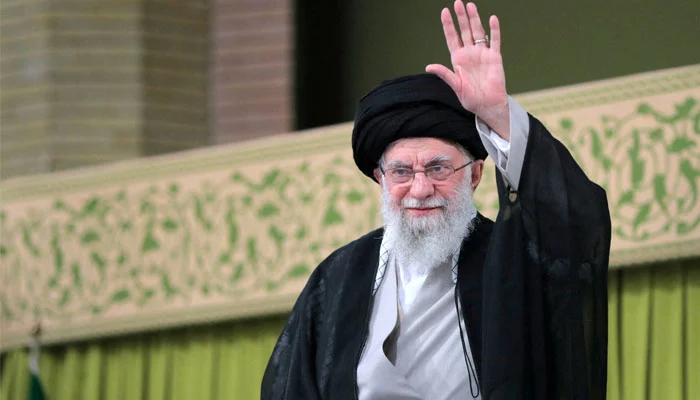
Following the reported demise of Ali Khamenei, Iran has initiated its constitutional succession process, raising urgent questions about the country’s political future. The transition marks a critical moment in the Islamic Republic’s modern history. Under the Constitution, authorities must immediately activate temporary arrangements to ensure continuity of leadership. Therefore, the state moves quickly to prevent any governance vacuum during this sensitive period.
According to constitutional provisions, an interim leadership council forms automatically after the Supreme Leader’s demise. This temporary body assumes all responsibilities until a permanent successor is selected through established legal procedures. The council includes the sitting president, the head of the judiciary, and a cleric chosen through institutional coordination. Consequently, these officials manage state affairs while the formal selection process advances.
Read more : Iran launches fresh strikes on US bases after Khamenei incident
Among current interim figures are President Masoud Pezeshkian and Judiciary Chief Gholam-Hossein Mohseni-Ejei, who now help oversee transitional governance. However, their authority remains temporary and strictly limited to constitutional guidelines. Meanwhile, state institutions continue functioning under established laws to maintain stability and public confidence. As a result, officials emphasize continuity and order during the leadership gap.
The final authority to appoint the next Supreme Leader belongs to the 88-member Assembly of Experts, an elected body of Shia clerics. Candidates must first pass vetting by the Guardian Council before standing for election to this assembly. Notably, much of the selection process occurs behind closed doors, making outcomes difficult to predict. Therefore, political observers closely monitor developments while avoiding speculation.
Read more : Karachi protests erupt after Khamenei martyred sparks fury
This transition represents only the second leadership change in the country’s history since the Islamic Republic’s establishment. The first occurred in 1989 after the passing of founding leader Ruhollah Khomeini, when Khamenei was chosen as successor. Now, discussions include potential candidates, although no official announcement has been made. Ultimately, the coming weeks will shape Iran’s direction as the nation navigates one of its most consequential political moments.