2020 has been a catastrophic year so far and the world has seen some devastating events that have not only threatened peace and stability but also changed the future outlook of the world as we know it. At the onset of the year on January 3, Middle East was cast with shadows of a bloody war when the United States assassinated Gen Qassem Soleimani in Baghdad. The Australian bush fire started and resulted in the deaths of over one billion animals. The fire, which was termed as an ecological disaster, has shaken up Australia and the impact will last for hundreds of years to come. The refugee crisis in Syria also peaked as images of Syrian children freezing to death in the harsh winter started to appear on the internet.
Then came the outbreak of COVID-19 outbreak. Initially, as the people around the world joked about the rumoured source of the virus, the virus continued to spread. As a result, a global mass negligence was seen. Today, the novel coronavirus, which has infected over four million people across the globe is the first modern-day pandemic. With no cure or vaccine, the best way out was a lockdown that was more or less adopted by all the countries in the world. This took a massive hit on the entertainment, hospitality, tourism and production industry. With estimated losses amounting to trillions of dollars and millions of people losing their jobs, the outbreak has changed the world as we know it. According to a report by the World Bank, the pandemic till date has pushed 49 million people across the world in extreme poverty. The staggering number might rise even more if a similar situation continues for a few more months.
A whole generation is at stake and there is no clarity of thought in this regard
After at least two months of lockdown, the world is gearing up for stepping out of lockdown, it is important to do an assessment of the damages that might leave a long-lasting impact on the developing world. A positive development that is a direct result of the closure is its impact on the environment. The world has not witnessed such clean air in recent times. The ozone damages have started to recover and the animal population in the urban centres has also started to increase. Another positive that has been witnessed is a dip in global oil prices. The developing countries spend billions of dollars on their oil imports and with the global demand falling; the countries can enjoy a short term relief. However, since there is limited storage capacity, countries might not be able to fully benefit from the situation.
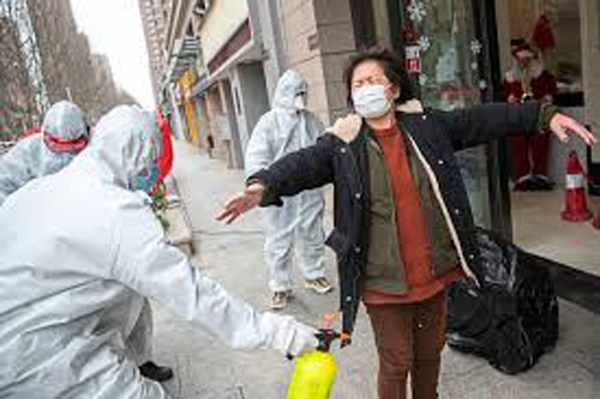 On the other hand, the developing world looks up to the developed world for its exports and import which is coupled with the foreign remittances by nationals working in that area. The first thing that the developing world will witness is a decline in foreign remittances. This is largely due to the fact that a number of people will lose their jobs. A number of countries, including Pakistan, are heavily dependent on the foreign remittances to balance their current account deficit. With this source drying out, countries will face a big challenge in the coming days.
The second impact that the developing countries will face is a decline in international travel. Right now with the travel bans in place, airlines are finding it hard to stay afloat. Two domestic airlines of the United States, one British, one Australian and one Colombian airline have filed for bankruptcy and entered into administration. Hands full of airlines have also slashed the number of employees and it seems that the airlines of developing nations will not be in a position to take the final impact. With low price carriers going out of business, it would be very hard for people to fly on high priced big names which might increase fares a tad more to cover the lockdown damages.
The next impact that would be imminent will be in the form of exports. The factories of developing countries strive for the orders of the developed world. With the developed world stepping out of lockdown in a testing phase, a roll-out of export orders is not in sight for now. This means that with no sales and foreign orders, the factories might be pushed to let their staff go. Unlike Pakistan, not every country can roll out generous bailout packages that might cushion the workers for a few months. Even then, no stimulus package can run on for an unforeseeable time and for the factories to work, international export orders are a must.
Another dangerous impact will be borne by academia and this is probably the most sensitive as it is impacting not only the developing world but the entire developed world. As a result, a whole generation is at stake and there is no clarity of thought in this regard. With universities and colleges closed, effectively dialogue and discussion are at a standstill. With students across the globe in lockdown and a few online sessions at their disposal, the thinking capacity is taking a hit. On top of that, the normal work routine is shattered and the pursuit of knowledge is not backed with a proper guidance. Exams are getting cancelled, resulting in students getting a free pass and proper knowledge not being imparted; it seems that the current academic system is under severe threat.
One more impact that the developing world must also brace for is the plausible exponential growth in violence and street crimes after the lockdown. Unemployment, layoffs, no opportunities to the world and a family to feed, an outbreak of violence is also on the cards.
The global debt relief initiative of Prime Minister Imran Khan is a step to control these threats. With the governments not threatened by heavy debt servicing, they can concentrate on the welfare of people and steer their countries to a better future ahead. If the people are not looked after properly in this situation, the consequences would be devastating.
The writer is a research associate at the Institute of Strategic Studies, Islamabad