Samsung Electronics is reportedly developing advanced high-bandwidth memory (HBM) packaging technology for its future Exynos processors, a move expected to significantly improve on-device artificial intelligence performance in upcoming flagship smartphones.
Read More: Samsung faces strike threat amid AI bonus dispute
According to recent reports, the company is working on next-generation packaging known as Vertical Cu-post Stack technology, designed to bring HBM capabilities to mobile devices. HBM is currently widely used in servers and AI data centres due to its ability to deliver faster data transfer speeds and improved memory performance.
Industry analysts say integrating HBM into smartphones could substantially enhance AI-powered features such as image processing, voice assistants, real-time translation, and generative AI applications while reducing latency.
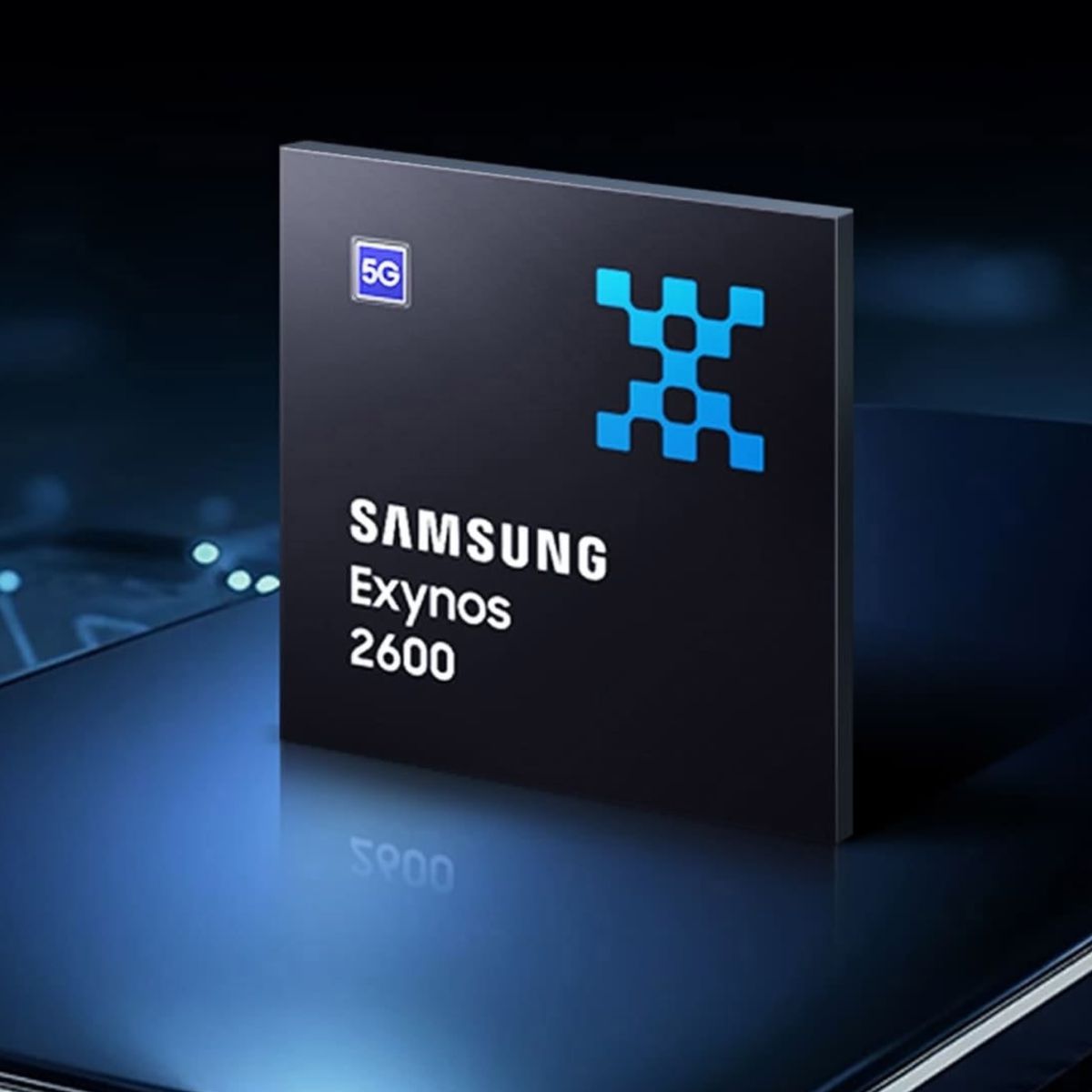
Samsung has been gradually reintroducing its Exynos chipsets into flagship smartphones. The company is reportedly using the Exynos 2600 in select Galaxy S26 models, excluding the Ultra variant, while a similar split between Snapdragon and Exynos processors is expected for the Galaxy S27 lineup with the anticipated Exynos 2700.
Reports suggest Samsung has even larger ambitions for the Exynos 2800, which could feature major architectural upgrades, including an in-house GPU design and potentially custom CPU cores developed internally.
However, adapting HBM technology for smartphones presents significant engineering challenges. Unlike servers, mobile devices face stricter limitations related to size, heat management, battery efficiency, and overall thickness.
If Samsung successfully commercialises the technology, it could gain a competitive advantage in mobile AI performance while also strengthening its memory business, where it already maintains a leading global position.
Industry observers note that Samsung is among a limited number of manufacturers capable of combining advanced semiconductor design with in-house memory production, potentially allowing tighter hardware integration.
Read More: Samsung shifts focus to efficiency with Exynos 2800
It remains unclear whether the HBM packaging technology will be ready in time for the Exynos 2800 launch. Still, the reported development signals Samsung’s long-term strategy to strengthen its chipset ecosystem and reduce dependence on external suppliers for flagship mobile devices. The company has not officially confirmed the reports or product roadmap.