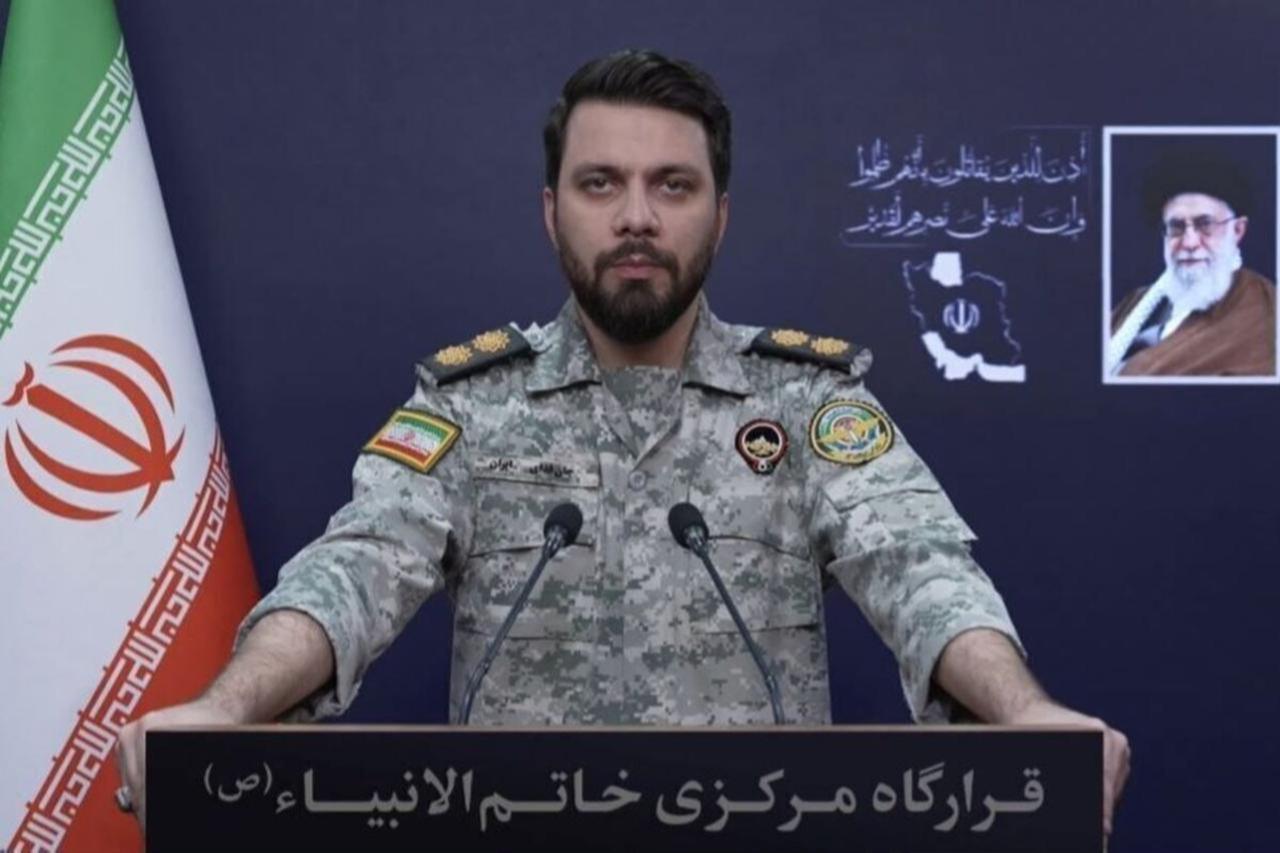
Iran’s military has issued a strong warning to the United States (US) and Israel, stating that any act of aggression against the Islamic Republic would trigger an immediate and “harsher response” targeting pre-determined locations.
Read More: ‘Israel never talked me into the war with Iran,’ Trump says
The statement was released by the Khatam al-Anbiya Central Headquarters, which coordinates operations between the Iranian Army and the Islamic Revolutionary Guard Corps. The command emphasized that Iranian forces are on high alert and fully prepared for any escalation.
According to military spokesperson Lieutenant Colonel Ebrahim Zolfaqari, Iranian forces have been placed on long-term readiness and are “on trigger,” ready to respond instantly if attacked. He warned that any hostile action would be met with full force, adding that adversaries would face a significantly stronger response than in previous confrontations.
The statement directly referenced repeated threats from the United States, particularly comments attributed to Donald Trump, and accused Washington of maintaining aggressive military postures in the region.
Tensions between the two sides have remained high following earlier clashes and a temporary ceasefire arrangement. Iran claimed that previous negotiations, held in Pakistan, failed to produce results due to what it described as “maximalist demands” from the United States and ongoing restrictions affecting Iranian maritime activity.
Iran further stated that it would not return to negotiations unless certain sanctions and blockades were lifted, particularly those impacting its ports and shipping routes.
Analysts say the latest warning reflects continued mistrust and deepening geopolitical tensions, with both sides maintaining firm positions. While diplomatic channels remain technically open, the rhetoric suggests limited progress toward de-escalation in the short term.
Read More: Iran vows ‘crushing’ attacks on US after Trump threats
The situation continues to be closely monitored by international observers amid concerns that further escalation could destabilize regional security and global energy markets.