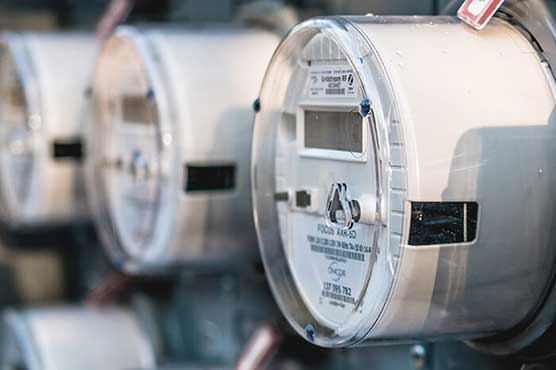
Pakistan’s power distribution companies have begun phasing out conventional electricity meters as the government moves toward a modern digital billing and monitoring system across the national power network. The transition aims to improve transparency and operational efficiency within the electricity sector. Authorities confirmed that traditional three-phase meters will gradually be replaced with advanced smart meters. Consequently, the shift represents a major step toward digitising Pakistan’s power distribution infrastructure.
The Power Division has also made smart meter installation mandatory for all new electricity connections, ensuring that future consumers join the digital monitoring system from the beginning. Officials explained that this policy will gradually eliminate outdated metering technology. In addition, authorities believe that modern meters will help strengthen oversight and improve service delivery. Therefore, distribution companies have been instructed not to issue conventional meters for any new connections.
Read more : LESCO to purchase 150,000 smart power meters for consumers
To support the large-scale rollout, the government signed a Transaction Advisory Services Agreement with the International Finance Corporation, a member of the World Bank Group. Under the agreement, the IFC will act as a transaction adviser and conduct a detailed techno-commercial assessment. The study will evaluate options for a service-provider model or public-private partnership framework. Consequently, the initiative is expected to attract both local and international investment into Pakistan’s energy digitisation efforts.
Officials confirmed that the project initially targets the installation of smart meters on approximately 10 million electricity connections across the country. These advanced systems will allow real-time monitoring of energy consumption while improving billing accuracy. Furthermore, smart technology will help detect unusual usage patterns that may indicate electricity theft. As a result, authorities expect the digital transition to significantly reduce losses and strengthen revenue collection within the power sector.
Read more : PIDE study calls for smart meters to improve power sector efficiency
Meanwhile, commercial and industrial consumers will also be integrated into the new digital system as part of the wider reform plan. Authorities believe that automated metering will improve transparency and minimise manual errors in billing and record keeping. In addition, officials noted that international competitive bidding has already reduced the cost of smart meters by around 40 percent. This price reduction is expected to generate financial savings for both the government and electricity consumers.
The government has accelerated the digitisation of the national power network under the direction of the prime minister, replacing legacy systems with modern technological infrastructure. Advanced smart metering plays a central role in this transformation by improving monitoring, recovery rates, and operational efficiency. Furthermore, regulators including the National Electric Power Regulatory Authority are coordinating with distribution companies to replace defective meters with smart devices. Authorities believe these reforms will strengthen financial stability and improve long-term performance across Pakistan’s electricity sector.