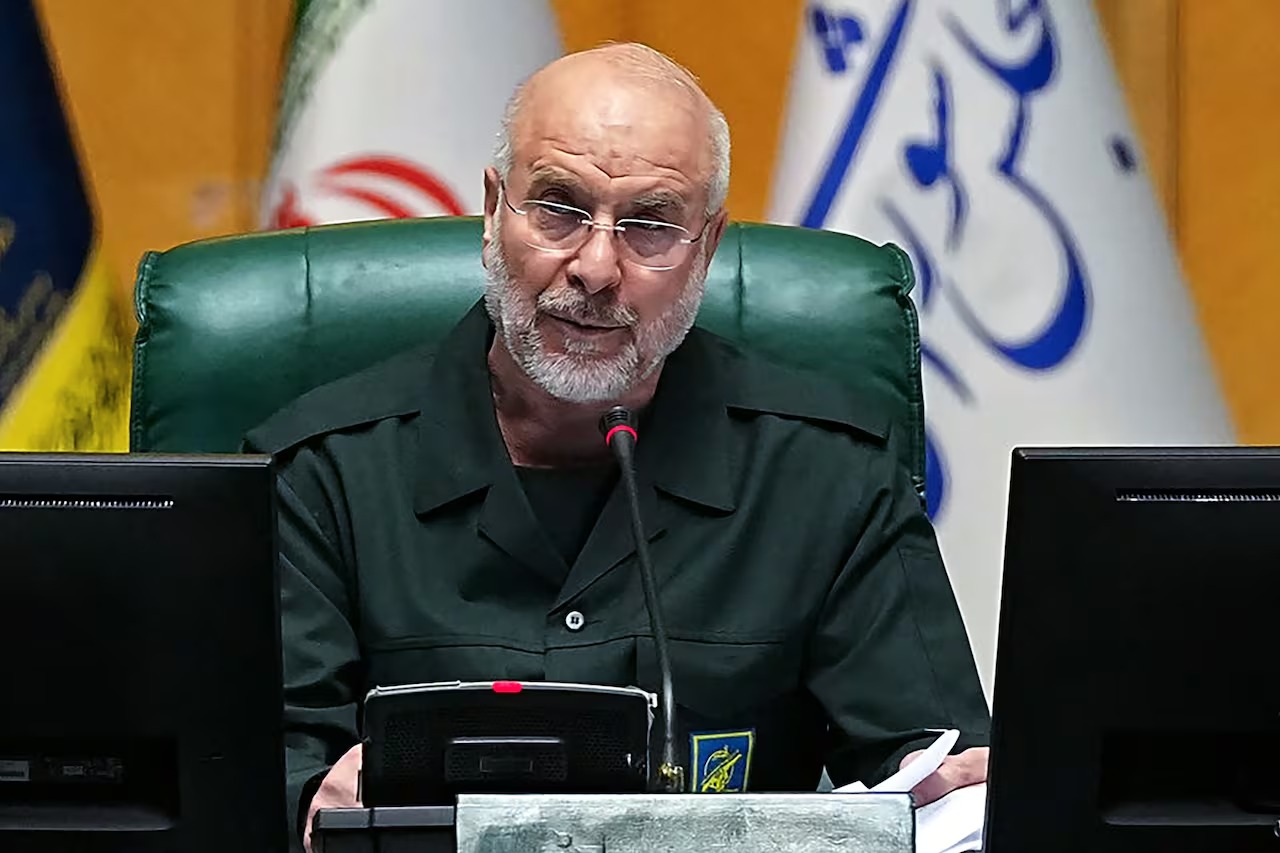
Iran’s parliamentary speaker Mohammad Bagher Ghalibaf said negotiations with the United States have produced some progress, but both sides still remain far from reaching a final agreement to end the ongoing conflict and tensions. In a televised national address, he explained that discussions had moved forward on several matters, yet many major gaps and sensitive issues continue to prevent a comprehensive settlement.
Ghalibaf, who is also part of Iran’s negotiating team, stated that conclusions were reached on certain topics during recent talks, while other critical issues still require lengthy discussion. He emphasized that despite limited progress, the distance between both countries’ positions remains significant, making it difficult to finalize a deal in the near future.
Read more : Iran warns over Strait of Hormuz control
Meanwhile, tensions increased after Iran announced it would again close the strategic Strait of Hormuz, accusing the United States of repeatedly violating trust through a continuing naval blockade on Iranian ports. Iranian authorities also proposed a system where vessels paying security fees would receive priority passage through the waterway, a move that added further pressure on global shipping.
At the same time, the United States is reportedly preparing stronger actions to increase pressure on Tehran by planning to intercept and seize Iranian-linked commercial vessels operating in international waters. The proposed strategy would expand enforcement beyond the Middle East and strengthen the economic restrictions already targeting Iranian trade routes.
Read more : Iran talks could resume over next two days in Pakistan, says Trump
Iranian officials, however, framed their control of the Strait of Hormuz as a strategic advantage despite ongoing confrontation. Ghalibaf argued that while opponents still possess economic and military power, Iran has gained a strategic edge by resisting pressure and maintaining influence over the crucial shipping corridor.
Meanwhile, the Islamic Revolutionary Guard Corps warned that any vessel approaching the Strait of Hormuz could be treated as cooperating with hostile forces and may become a target. The warning came alongside criticism of European positions on international law, as Iranian officials accused European leaders of double standards in regional conflicts.