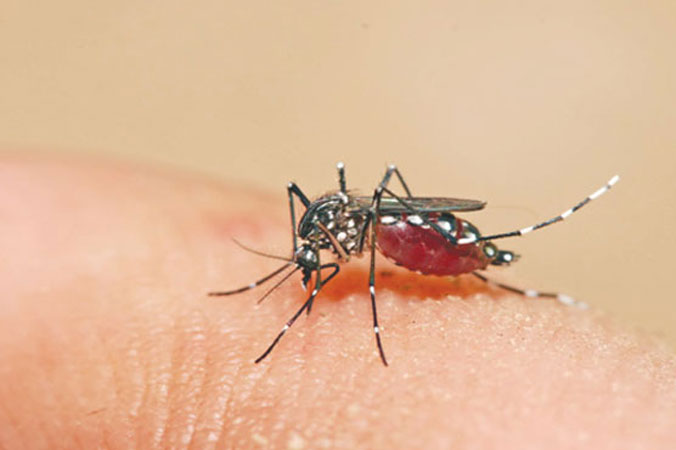
Islamabad — Pakistan top public health authority has issued a warning about a potential rise in dengue infections following recent rainfall and the possibility of further precipitation. The National Institute of Health (NIH) Centre for Disease Control has urged provincial and district health departments to strengthen disease surveillance, intensify mosquito control measures, and ensure hospitals are prepared for potential outbreaks.
Read More: Poliovirus detected in Lahore: NIH alert
In an advisory released on Monday, health authorities were directed to enhance early detection of dengue cases, quickly identify transmission clusters, and implement preventive measures to contain the virus. Officials highlighted that dengue remains a persistent threat due to the widespread presence of Aedes aegypti and Aedes albopictus, which breed in clean, stagnant water commonly found in urban and semi-urban areas.
Rainfall and high humidity create favorable conditions for mosquito breeding, particularly in densely populated cities where water accumulates in containers, tyres, construction sites, and poorly managed waste. National surveillance data show a steady increase in dengue infections over the past three years, with 21,016 cases recorded in 2023, 24,182 in 2024, and 33,394 laboratory-confirmed cases in 2025.
The advisory emphasized the importance of mechanical removal of mosquito breeding sites as the primary control measure, with chemical interventions such as larvicides, fogging, and indoor spraying applied only when necessary. Targeted inspections are recommended in high-risk locations including schools, hospitals, construction sites, tyre shops, and junkyards.
Community awareness campaigns are also encouraged to educate citizens on mosquito control and dengue symptoms. Individuals are advised to wear long-sleeved clothing, use repellents, install mesh screens, and sleep under mosquito nets.
Read More: Dengue Cases Rise as Lahore Reports Three Deaths
Hospitals nationwide have been directed to maintain dedicated dengue beds, ensure adequate medical supplies, and train staff to manage complications. Medical experts stress that there is no specific antiviral treatment for dengue, and patient care focuses on supportive management including fever control, hydration, and monitoring for complications.