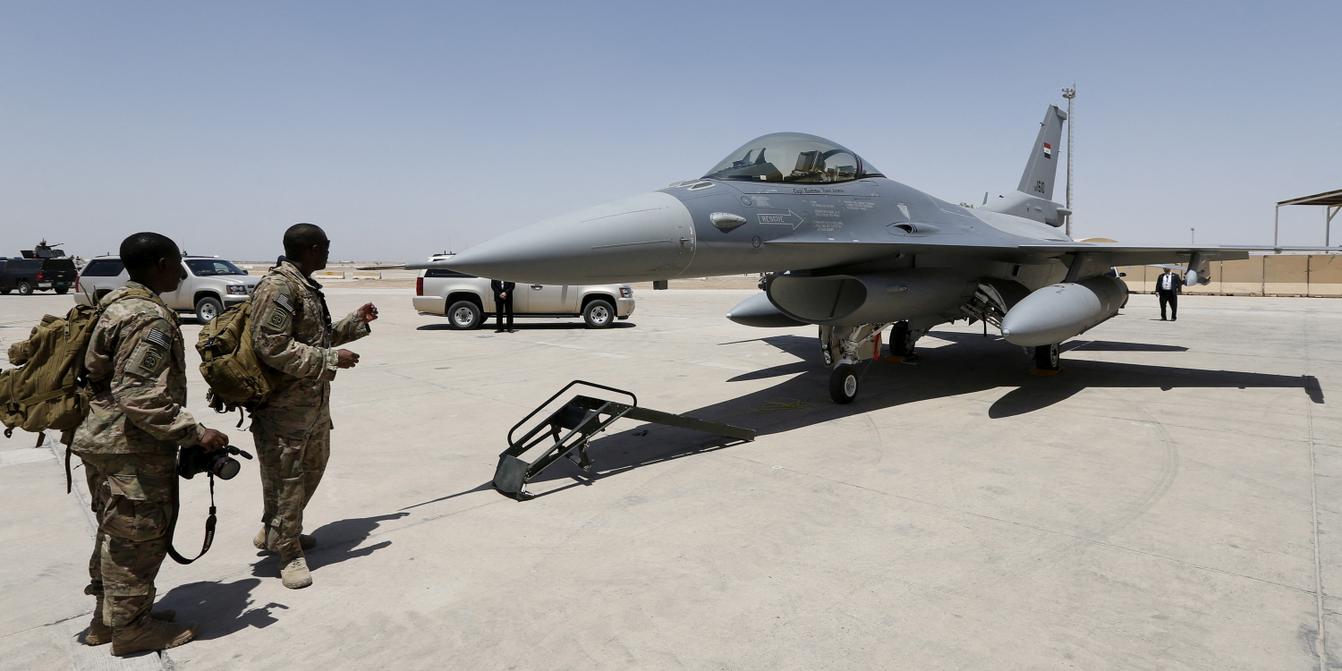
BAGHDAD: Iraq on Sunday announced the complete withdrawal of US-led coalition forces from military bases across federal territory, marking the formal end of the coalition’s mission inside the country. Officials said the transition places full control of the former coalition sites under Iraqi security forces and opens a new phase of bilateral defence coordination with the United States.
Read More: Iraq weighs larger NATO role to replace US-led coalition
The military committee supervising the wind-down declared the evacuation of all bases and headquarters where coalition advisers had remained. It added that the drawdown concludes the main provisions of a 2024 Baghdad–Washington agreement, which envisioned the end of the coalition’s mission in federal Iraq by late 2025 and in the Kurdistan region by September 2026.
US and allied troops were first deployed to Iraq and Syria in 2014 to combat the militant Islamic State (IS) group after it seized vast territory and proclaimed a so-called caliphate. The group was territorially defeated in Iraq in 2017 and in Syria two years later, though sleeper cells continue to carry out sporadic attacks.
According to Iraqi officials, operations against IS inside the country will now be fully led by domestic forces, which they said are capable of preventing the group’s resurgence and cross-border infiltration. Coordination with the coalition will continue on counter-IS efforts in Syria, including logistical support routed through Erbil, the capital of the Kurdistan region.
The statement noted that the Ain al-Assad base in Anbar province will remain the key hub for coordination on operations in Syria. US officials had previously signalled that between 250 and 350 advisers and support personnel would continue to operate from the facility due to shifting conditions in Syria, but Iraqi authorities now say all coalition personnel have left the base.
Read More: US scales back Iraq mission, focus shifts to Syria
While IS attacks in Iraq have sharply diminished in recent years, UN reporting warned the group has sought to rebuild networks along the Syrian border and restore capacity in remote desert and mountainous areas.