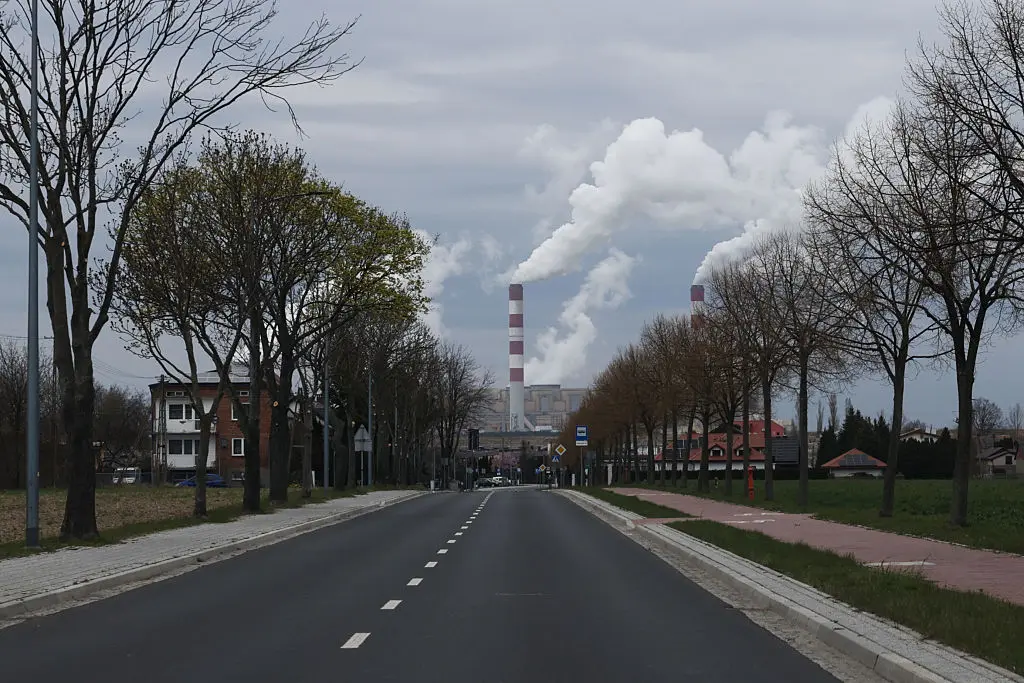
Global carbon emissions from fossil fuels are expected to hit a new record in 2025, raising serious concerns about meeting the Paris Agreement’s 1.5°C global warming limit. The Global Carbon Budget report revealed that CO2 emissions from burning oil, gas, and coal will rise by 1.1 percent compared to last year, reaching an estimated 38.1 billion tonnes.
Despite the rapid expansion of renewable energy worldwide, scientists say it still falls short of offsetting the growing global demand for energy. Researchers warn that at the current pace, humanity has only four years of emissions left before the carbon budget to stay under 1.5°C is fully exhausted, making the goal nearly impossible to achieve.
Read more : Earth heats faster as climate crisis deepens globally
The findings were released during the COP30 climate summit in Brazil’s Amazon region, where global leaders are discussing climate strategies without the presence of the United States. Experts argue that the lack of collective action continues to undermine international climate goals, even as 2025 is predicted to be one of the hottest years ever recorded.
While China’s fossil emissions remained mostly stable this year, especially from coal, scientists believe the country could soon reach its emission peak. However, policy uncertainty still clouds its progress. In contrast, both the United States and European Union recorded increases in emissions due to higher energy demand during cooler winter months, with U.S. coal emissions rising 7.5 percent.
Read more : CO2 pollution from fossil fuels to hit all-time high in 2022
Interestingly, India’s emissions saw only a slight increase, supported by a stronger monsoon and growth in renewable energy production. Moreover, 35 countries have successfully reduced emissions while expanding their economies — double the number from a decade ago. Researchers also noted that reduced deforestation and fewer fires in South America have slightly lowered total global emissions to around 42.2 billion tonnes this year.