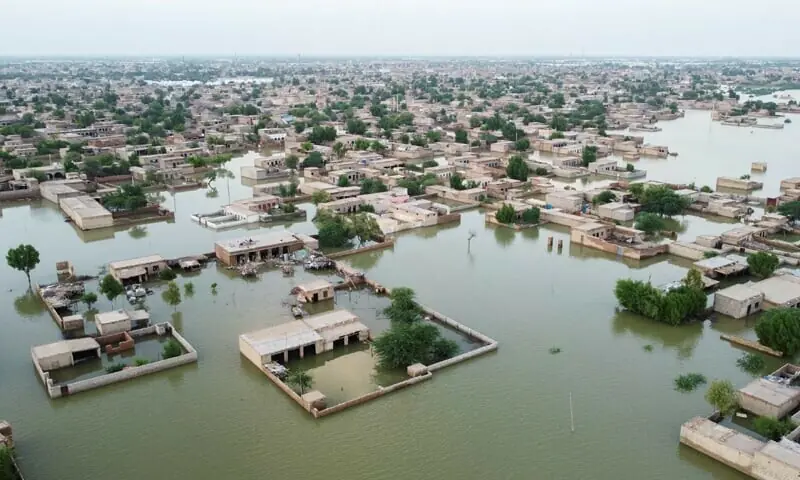
ISLAMABAD: International Financial Institutions (IFIs) have expressed deep concern over Pakistan’s worsening climate vulnerability, environmental degradation, and unchecked population growth, warning that these factors could significantly undermine the country’s stability and economic future if left unaddressed.
The warnings were issued during the closing plenary of the 28th Sustainable Development Conference on Friday, attended by experts and representatives from the World Bank, International Monetary Fund (IMF), and United Nations Development Programme (UNDP). Speakers stressed the urgent need for climate adaptation, sustainable financing, and stronger institutional reforms.
Read More: Pakistan faces severe climate threat despite minimal emissions
World Bank Country Director Dr Bolormaa Amgabazar highlighted that Pakistan ranks among the most climate-vulnerable nations globally, facing mounting threats from floods, air pollution, and water scarcity. She said the World Bank’s Climate and Country Development Report projects a 20–30 per cent decline in GDP by 2050 under a “business-as-usual” scenario. “Pakistan’s rapid population growth and resource depletion are putting immense strain on its economy and environment,” she warned.
Dr Bolormaa said the World Bank’s $20 billion Country Partnership Framework would support Pakistan over the next 20 years, providing predictable, multi-sectoral financing for climate resilience and development projects. She stressed the need for “pre-arranged and multi-year financing” to manage emergencies and build long-term sustainability.
Read More: Increasing Pakistan’s Climate Resilience
IMF Country Representative Mahir Binici underscored that Pakistan’s newly approved $1.4 billion Resilience and Sustainability Facility (RSF) would complement its ongoing Extended Fund Facility (EFF), aiming to embed climate considerations into fiscal management. “Starting next fiscal year, all major infrastructure projects under the Public Sector Development Programme (PSDP) will undergo climate screening,” he said, adding that this integration would promote transparency and efficiency.
UNDP Resident Representative Samuel Rizk echoed these concerns, calling for stronger partnerships between the government, multilateral agencies, and the private sector. “Financing has become the most critical tool for sustainable development,” he said, urging coordinated efforts to mobilise climate finance and ensure long-term resilience.
Read More: Experts warn Pakistan’s resilience at risk without unified water, food and climate actions