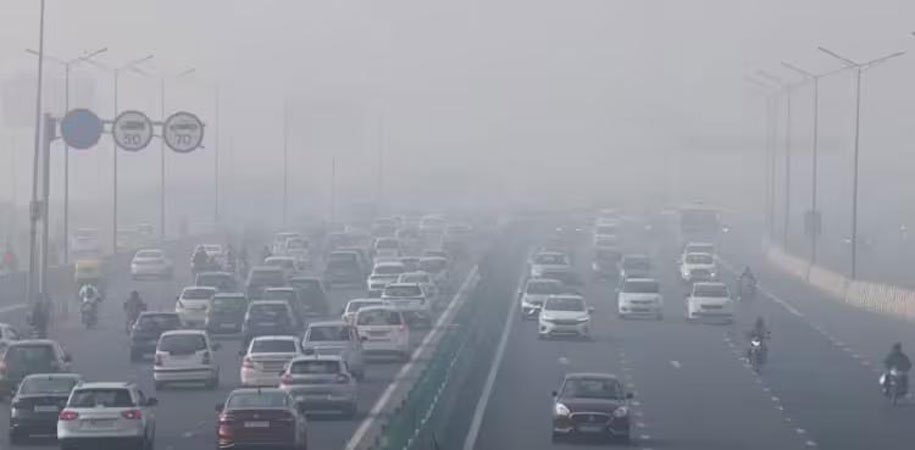
LAHORE – Thick smog blanketed Punjab on Thursday morning, turning the air dangerously toxic and making it difficult for residents to breathe. The provincial capital, Lahore, once again topped the list of the world’s most polluted cities, recording an alarming Air Quality Index (AQI) of 603.
According to data from air quality monitoring stations, AQI levels were recorded at 1,059 in Allama Iqbal Town, 1,021 in DHA, and 818 on Sanda Road, indicating extremely hazardous air. The situation was not much better in other cities across Punjab, with Faisalabad’s AQI at 685, Gujranwala at 555, and Multan at 364, making the air unfit for human health.
Read More: Lahore continues to top global charts for poor air quality
In response to the deteriorating air quality, the Environment Protection Department (EPD) has stepped up anti-smog efforts, imposing a ban on dry sweeping in public spaces and on major roads, and prohibiting the use of lime for cleaning streets to prevent further dust emissions.
Health experts have urged citizens to take precautions against the hazardous air. Doctors advised wearing masks, keeping windows closed, and limiting outdoor activities, especially for children and the elderly. Prolonged exposure to such high pollution levels can lead to respiratory problems, eye irritation, and other health complications, they warned.
Read More: Met Office warns of ‘alarming rise’ in smog levels, spike in respiratory illnesses
Despite government efforts, Lahore’s smog crisis continues to worsen each winter, largely due to industrial emissions, vehicle smoke, crop burning, and weather patterns that trap pollutants in the air.