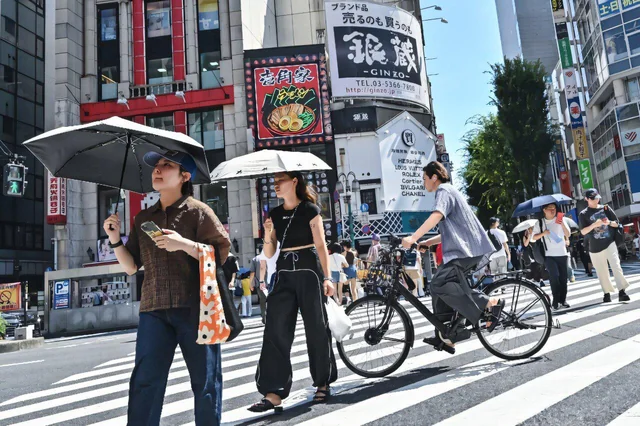
Japan is facing a severe heatwave, breaking 17 temperature records in just one day. On July 30, the nation recorded its highest-ever temperature—an intense 41.2°C—in the western region of Hyogo. This follows the hottest June and July in Japan since record-keeping began in 1898, with the weather agency warning of continued “severe heat” in the coming months.
The city of Komatsu in Ishikawa reached 40.3°C, setting a new local record, while Toyama city hit 39.8°C, the highest in its history. In addition, 15 other locations across the country recorded temperatures ranging between 35.7°C and 39.8°C. These alarming figures have prompted growing concern among citizens and environmental experts alike.
Due to early monsoon withdrawal, the rainy season ended around three weeks earlier than usual in western Japan. As a result, dams in northern areas are nearly empty, creating fears of water shortages. Farmers especially are anxious, as low rainfall combined with high heat could severely affect the harvest, damaging crops and disrupting the food supply.
Climate experts warn that these record-breaking temperatures are a clear sign of global warming. Japan’s beloved cherry trees are blooming earlier, and in some regions, they fail to blossom properly due to warmer autumns and winters. This not only impacts cultural traditions but also signals deeper environmental shifts.
Another concern is Japan’s iconic Mount Fuji, whose snowcap appeared later than usual last year. Typically visible by early October, it did not appear until early November—the latest ever recorded. Such changes highlight the broader effects of rising global temperatures and shifting weather patterns across the country.
While climate change affects all regions differently, data shows that Asia, including Japan, is warming rapidly—just behind Europe in pace. With scientists expecting more intense heatwaves in the future, the need for climate action and adaptation has never been more urgent.