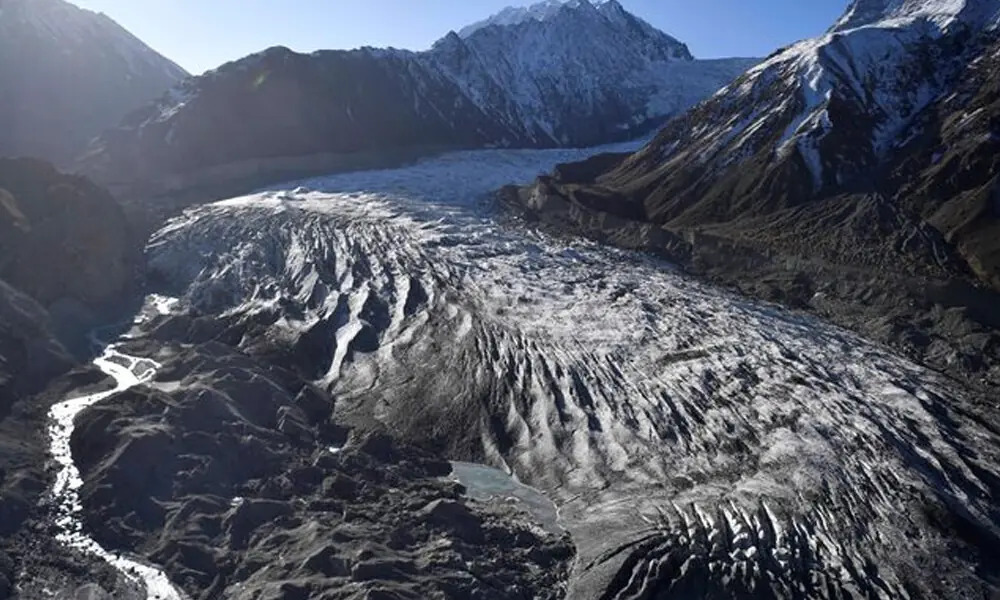
Abnormal temperature surge may accelerate glacial floods risk in northern Pakistan, the Pakistan Meteorological Department warned on Monday. Daytime temperatures remained 3–5°C above normal in several northern districts. The warning matters as accelerated glacier melt threatens vulnerable mountain communities downstream.
The department said winter rainfall and snowfall stayed below seasonal averages. Persistent clear skies created stable atmospheric conditions across Gilgit-Baltistan from February 1 to 22. As a result, maximum temperatures rose significantly above historical norms. Nighttime temperatures also remained 1–3.5°C above the 1981–2010 average.
Read more: PMD warns of widespread cold, dry weather
The highest warming was observed in Gilgit and Bunji. Meanwhile, Chilas and Bunji recorded sharp increases in minimum temperatures. Reduced overnight cooling limited glacier refreezing processes. Consequently, snow and ice melt accelerated at mid and lower altitudes.
Rapid melting increased water accumulation in moraine and glacier-dammed lakes. Reduced nighttime cooling further enhanced meltwater runoff into glacial lakes. Therefore, the likelihood of Glacial Lake Outburst Flood events has risen. Vulnerable areas include Gilgit, Ghizar, Hunza, Bunji, Chilas, and Astore.
Read more: PMD forecasts cold and dry weather for most parts of country
The department’s February–April outlook indicates continued above-normal temperatures across northern Pakistan and Kashmir. If warming persists, glacier melt acceleration may intensify in coming months. Officials said they are closely monitoring hydrometeorological indicators. The department will issue timely advisories to authorities and at-risk communities.