
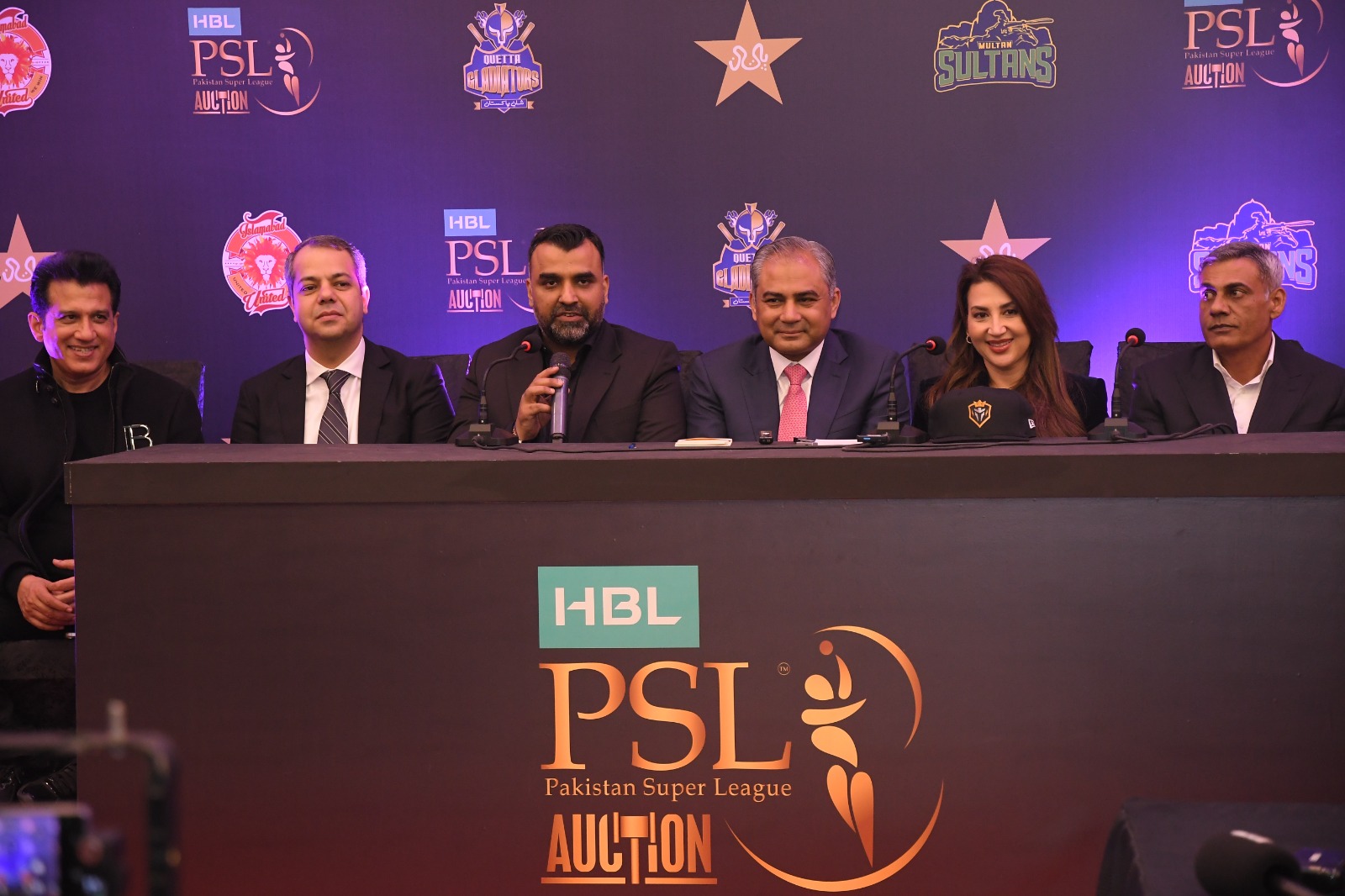
For much of its existence, the Pakistan Super League (PSL) has been judged not merely by the quality of cricket it produces, but by what it represents: resilience, credibility, and Pakistan’s return to the global sporting mainstream. Over the years, the league has survived security concerns, economic pressures, scheduling conflicts, and administrative transitions. Yet, what is now unfolding under PCB Chairman Mohsin Naqvi’s leadership signals something far more ambitious than survival. The roadmap toward the 11th edition of the PSL is shaping up to be a defining chapter, one that may well transform the league from a successful domestic product into a truly global sporting enterprise.
Mohsin Naqvi’s tenure has been marked by clarity of intent. Rather than treating the PSL as a static six-team tournament, he approached it as a scalable, evolving brand. The most significant shift has been philosophical: the PSL is no longer viewed as an event, but as an ecosystem. This thinking laid the foundation for what is now being described as a historic expansion framework for PSL 11.
What made the recent auction and expansion process remarkable was not just the numbers involved, but the structure behind them. Instead of rushed decisions or cosmetic changes, Naqvi ensured that every step, from valuation to bidding mechanics, was rooted in transparency and long-term sustainability. This professionalism sent a strong signal to investors, broadcasters, and overseas partners: the PSL is open for serious business.
Traditionally, PSL auctions were seen as administrative necessities. Under Naqvi, they became strategic milestones. The process was streamlined, data-driven, and globally aligned, mirroring best practices from leading sports leagues around the world. Franchise valuations were reassessed using modern metrics such as digital reach, diaspora engagement, sponsorship potential, and regional identity.
This recalibration transformed the auction into a statement of intent. By allowing market forces to determine value, while maintaining strict governance, the PCB elevated the PSL’s commercial credibility. The result was an auction that did not merely sell teams, but sold belief in the league’s future.
One of Mohsin Naqvi’s most underappreciated achievements has been his handling of overseas companies and investors. In an era where Pakistan’s economic narrative is often framed cautiously, convincing international stakeholders to invest in a Pakistani sports property requires more than optimism, it requires trust.
Naqvi managed this with diplomacy and professionalism. Clear regulatory frameworks, long-term guarantees, and consistent communication reassured foreign investors that the PSL was not an experiment, but a mature product. By positioning the league as a gateway to South Asian markets and global cricket audiences, he made PSL expansion commercially irresistible.
Perhaps the clearest indicator of success has been the dramatic rise in team valuations. Under previous cycles, franchise worth grew steadily; under Naqvi, it surged. This was no accident. Strategic media rights packaging, aggressive brand positioning, and alignment with international cricket calendars all played a role.
Crucially, Naqvi resisted the temptation to inflate numbers artificially. Instead, he focused on organic growth, ensuring that higher valuations were backed by revenue streams, fan engagement, and commercial partnerships. This approach protected both the PCB and the franchises, reinforcing confidence in the league’s financial model.
The inclusion of Sialkot and Hyderabad carries symbolic and strategic weight. Sialkot, globally renowned for its sports manufacturing heritage, brings authenticity and international recognition. Its inclusion reconnects Pakistani cricket with a city that has long served world sport from behind the scenes.
Hyderabad’s entry, meanwhile, restores balance and representation. It taps into Sindh’s deep cricketing culture and opens new commercial and fan engagement avenues. Together, these cities do more than expand the league numerically, they deepen its national roots while broadening its global appeal.
In the end, PSL 11’s significance lies not merely in expansion, but in direction. Mohsin Naqvi’s leadership has demonstrated that visionary governance can coexist with commercial success. By prioritizing structure over spectacle and sustainability over short-term gain, he has positioned the PSL for its most impactful phase yet.
If PSL 11 delivers on its promise, it will not be remembered simply as another season. It will be remembered as the moment when Pakistan’s premier league stepped confidently into a bigger, bolder future, guided by leadership that understood the power of vision, credibility, and timing.