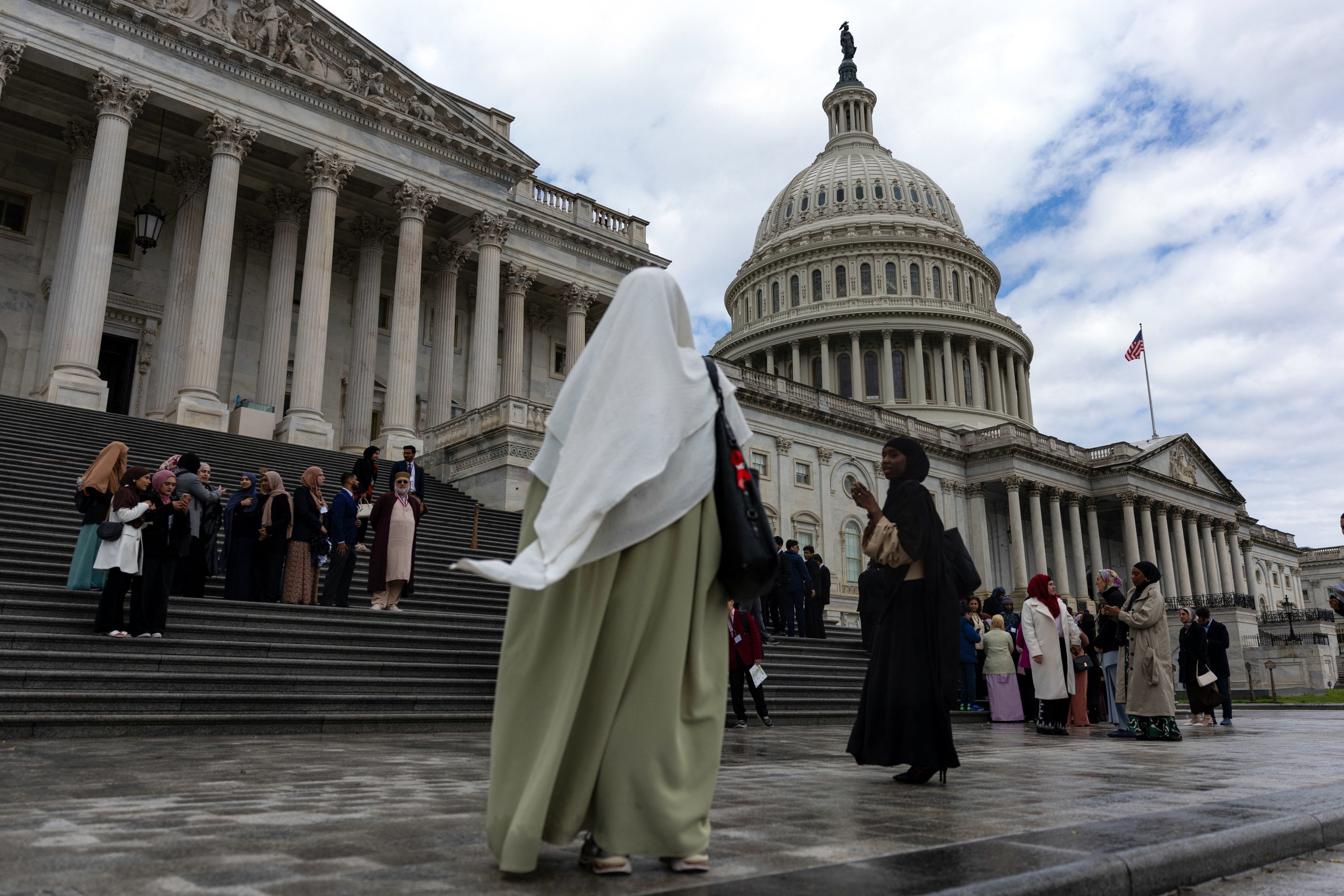
Muslim American organisations have criticised recent congressional hearings led by Republican lawmakers, arguing that the sessions are being used to stigmatise Muslim communities and fuel fear-based narratives in the United States (US).
The controversy follows a House Judiciary Subcommittee hearing titled “Sharia-Free America: Why Political Islam and Sharia Law are Incompatible with the US Constitution,” organised by Republican lawmakers this week. A similar hearing was also held earlier this year.
Read More: Pompeo sworn in as new US Secretary of State
Republicans have framed the hearings as a response to concerns over political Islam and the role of sharia law, with some lawmakers arguing that such ideologies conflict with American constitutional values.
During the hearing, Republican Representative Chip Roy said extremist groups promoting political Islam sought to replace American political and cultural systems rather than coexist within them.
However, Muslim advocacy groups strongly rejected the framing of the hearings, saying they unfairly single out Muslims and reinforce harmful stereotypes.
The Council on American-Islamic Relations (CAIR) and the US Council of Muslim Organisations condemned the hearings, describing them as politically motivated efforts that portray Muslim Americans as outsiders.
CAIR’s Maryland director Zainab Chaudry said the hearings were not about constitutional protections but instead contributed to the demonisation of Islam and Muslim communities.
Critics have noted there is no evidence that mainstream Muslim organisations in the United States are seeking to impose sharia law nationally, arguing that such hearings promote conspiracy theories and religious fear.
Democratic lawmakers have also criticised the hearings. Representative Jamie Raskin described them as a distraction from pressing national issues and argued they undermine religious freedom protections.
Read More: Gulf allies seek currency swaps: US
Civil rights advocates say anti-Muslim sentiment in the US has risen in recent years due to multiple factors, including the long-term effects of the September 11 attacks, anti-immigration rhetoric, white supremacist movements and tensions linked to the Israel-Gaza conflict.
CAIR reported receiving 8,683 anti-Muslim and anti-Arab complaints in 2025, marking the highest annual total recorded by the organisation since it began collecting such data in 1996.
The hearings have reignited debate over religious freedom, political rhetoric and the treatment of Muslim minorities in the United States.