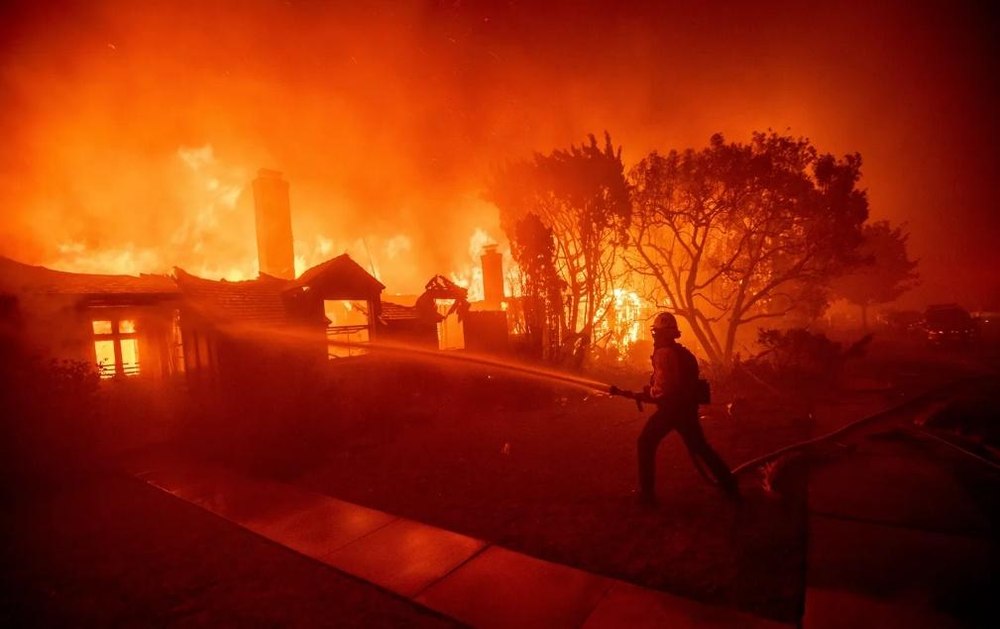
Scientists have warned that global fire outbreaks have reached record levels across multiple regions, driven by rising temperatures and climate change impacts. The surge in wildfires during the early months of this year has already caused unprecedented environmental damage, while experts expect conditions to worsen further as extreme heat and changing weather systems continue to intensify across the globe.
According to data compiled by World Weather Attribution, more than 150 million hectares of land have burned from January to April, marking a 20 percent increase over the previous record. Researchers said this sharp rise reflects a combination of human-induced climate change and shifting weather patterns that are creating longer and more destructive fire seasons worldwide.
Read more : Global economy struggles amid IMF World Bank warnings
In Africa, fire damage has reached around 85 million hectares this year, which is 23 percent higher than the previous record. Experts explained that extreme fluctuations between wet and dry conditions have fueled large-scale savannah fires. Increased rainfall in earlier seasons also led to excessive vegetation growth, which later became fuel for widespread fires during periods of heat and drought.
Meanwhile, Asia has also experienced a severe rise in wildfire activity, with approximately 44 million hectares burned so far this year. This figure is nearly 40 percent higher than the previous record set in 2014. Countries including India, Myanmar, Thailand, Laos and China have been among the hardest hit, as prolonged heat and dry conditions continue to increase fire risks across the region.
Read more : Pakistan eyes global markets after years away
Furthermore, scientists have linked the growing fire intensity to the upcoming El Niño weather pattern, which is expected to begin influencing global climate conditions. This phenomenon, caused by warming ocean surface temperatures in the Pacific, often leads to extreme weather such as droughts, heatwaves and floods in different parts of the world, significantly increasing the likelihood of large-scale environmental disasters.
Climate experts, including researchers from Friederike Otto, warned that if a strong El Niño develops, the combined impact of natural climate cycles and long-term global warming could create unprecedented fire and weather extremes. They stressed that countries in Australia, North America, South America and Asia may face heightened risks of drought, wildfire and extreme heat in the coming months.