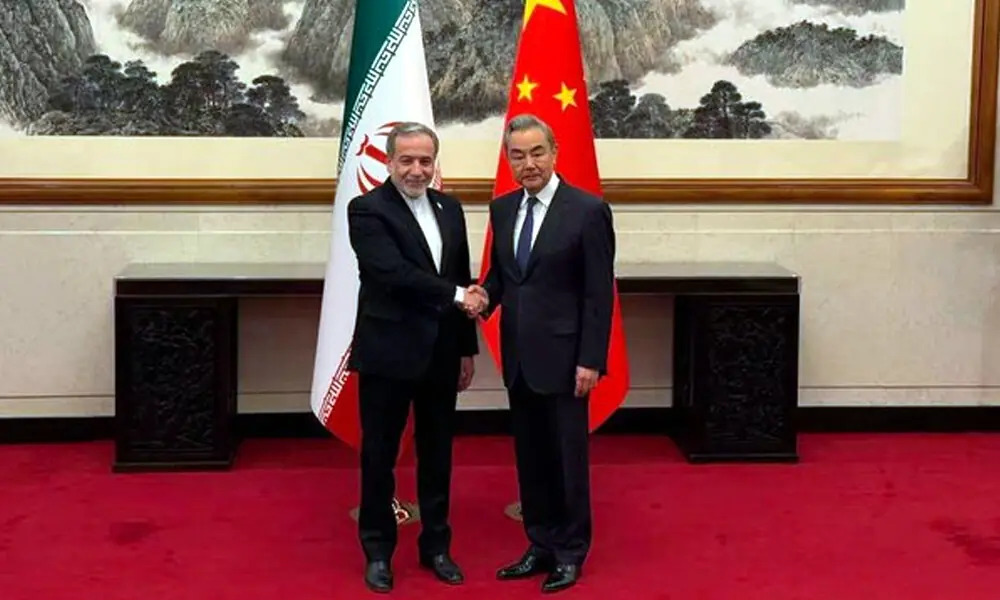
Iran’s foreign minister met China’s top diplomat in Beijing, marking his first visit since the conflict began. The meeting highlights deepening ties as global powers push to stabilize tensions. The development affects energy markets, diplomacy, and upcoming U.S.-China talks.
Abbas Araqchi held talks with senior Chinese officials, signaling stronger coordination between Tehran and Beijing. The visit comes amid heightened geopolitical strain following the U.S.-Israeli conflict with Iran. It also reflects China’s growing role as a diplomatic actor in the crisis. Meanwhile, Beijing remains cautious to balance its strategic interests and global positioning.
Read more: Iran foreign minister heads to China talks
In parallel, Scott Bessent urged China to increase pressure on Iran to reopen the Strait of Hormuz. He confirmed that Donald Trump and Xi Jinping will discuss Iran during their May 14–15 meeting in Beijing. The talks aim to sustain stable U.S.-China relations after a recent trade truce. However, Washington also wants Beijing to support international efforts to secure maritime routes.
At the same time, tensions in the Gulf have escalated with renewed military actions and competing naval blockades. Although the U.S. signaled readiness to protect shipping lanes, operations were paused after signs of diplomatic progress. Iran has maintained that a military solution is not viable, reinforcing the need for negotiations. Yet uncertainty persists as no clear breakthrough has been confirmed.
Read more: China quietly expands diplomatic influence during Iran war crisis
China has intensified diplomatic engagement while avoiding strong criticism of U.S. actions to ensure smooth high-level talks. It has also opposed U.S. sanctions targeting Chinese firms importing Iranian oil. As the largest buyer of Iran’s crude, China holds significant leverage in shaping outcomes. These developments underline Beijing’s pivotal role in any future resolution of the crisis.