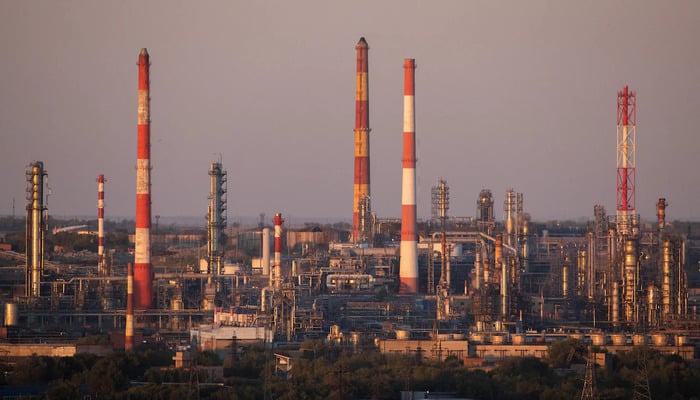
Pakistan’s oil refineries sector has come under severe financial strain, reporting losses of approximately Rs24 billion in April 2026 amid changing pricing formulas, capped margins, and rising import-related costs. Industry stakeholders say the revised diesel pricing mechanism has significantly distorted returns and pushed refineries toward unsustainable operations.
Read More: US sanctions Chinese refinery over Iran ties
According to industry data, losses were recorded throughout the month, including Rs7.1 billion in the first week, Rs8.5 billion in the second week, Rs6.6 billion in the third week, and Rs2 billion in the final week of April. Officials warn that if current conditions persist, the sector may face further deterioration in profitability.
Refinery representatives argue that the government’s decision to cap the diesel crack spread at $41.5 per barrel does not reflect actual market realities. They claim the formula ignores critical cost components such as freight charges, crude oil premiums, and war risk insurance linked to regional instability.
Industry officials also point to additional financial pressure from a 5% customs duty on crude oil imports, of which only a small portion is recoverable under the current mechanism. This, they say, has further reduced already thin margins and created structural imbalances in the pricing system.
Market comparisons suggest that actual crack spreads are significantly higher than the capped benchmark, but refineries are compensated based on the lower official figure, leading to revenue losses. Officials say this gap has created severe cash flow constraints across the sector.
The impact has been widespread, affecting major refineries including Pakistan Refinery Limited (PRL), which saw profits drop sharply from March to April. Analysts note that furnace oil margins remain negative, while petrol margins are also relatively low, further weakening overall earnings.
Government officials, however, maintain that the pricing formula has been introduced with international financial oversight and is designed to balance consumer protection with industry sustainability.
Read More: China slams US for ‘wrongful’ sanctions on Chinese bank
Experts warn that continued financial pressure could hinder refinery operations and discourage future investment, raising concerns over long-term energy security and domestic fuel supply stability.