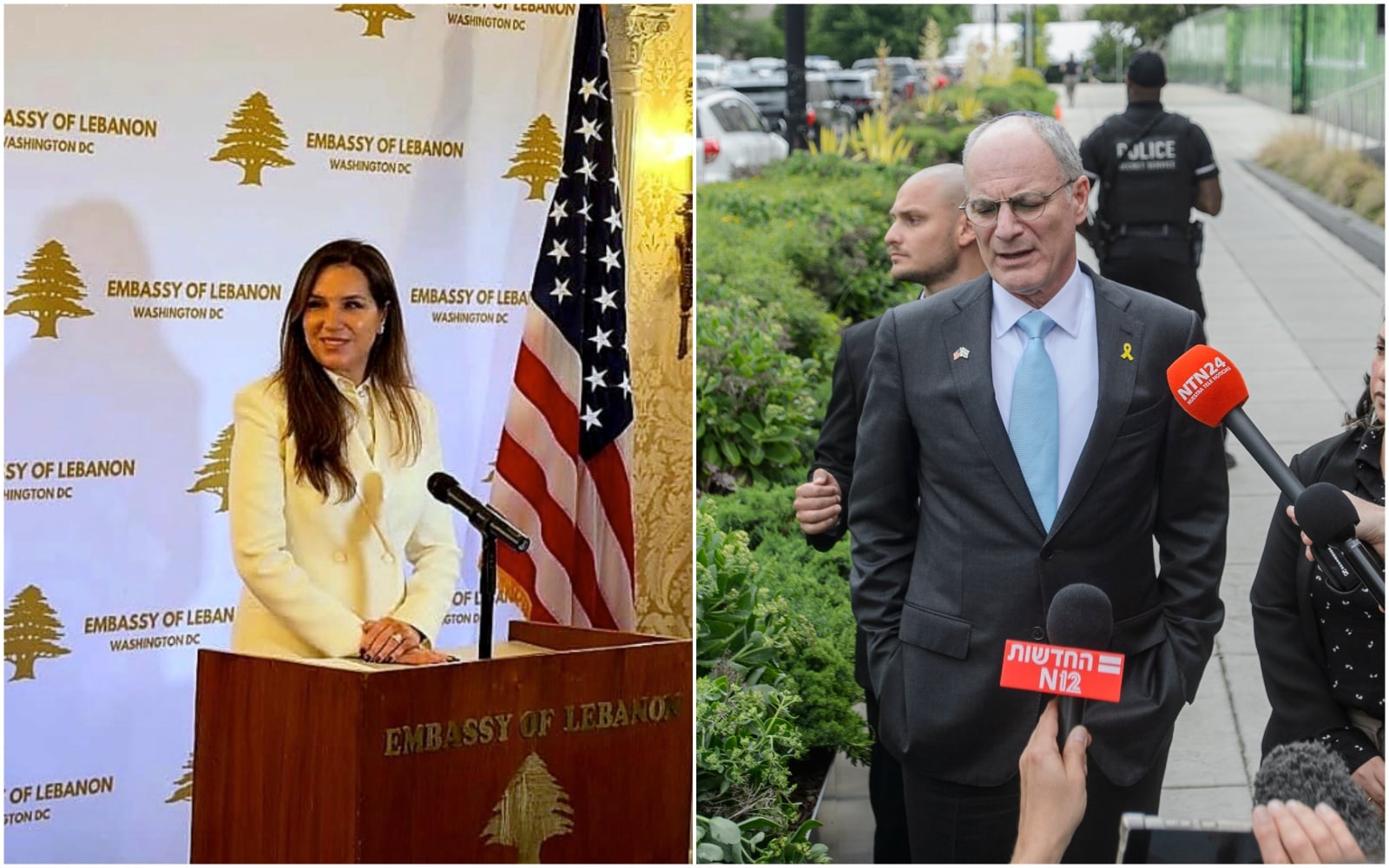
Lebanon and Israel are set to hold high-stakes talks in Washington, D.C. under US mediation, aiming to address the ongoing conflict, though expectations for a breakthrough remain low.
Read More: Trump ‘tough call’ pushes Netanyahu toward Lebanon ceasefire talks
The meeting, facilitated by Marco Rubio, will bring together Lebanese and Israeli representatives in what officials describe as the first direct, high-level diplomatic engagement between the two sides since 1993. The discussions are expected to focus on security concerns along Israel’s northern border and Lebanon’s sovereignty.
However, divisions between the parties remain deep. Naim Qassem, head of the Iran-backed group Hezbollah, has already dismissed the talks as “futile,” calling for their cancellation. Hezbollah has been actively engaged in conflict with Israel since early March, escalating tensions across the region.
The war has had devastating consequences in Lebanon, with Israeli airstrikes — including a major attack on Beirut earlier this month — reportedly killing over 2,000 people and displacing more than a million. Israeli ground forces have also carried out operations in southern Lebanon.
On the Israeli side, officials have made it clear that disarming Hezbollah remains a key objective. Government representatives have ruled out negotiating a ceasefire with the group, accusing it of continued attacks on Israeli civilians.
Meanwhile, Joseph Aoun expressed cautious hope that the talks could eventually lead to a ceasefire and pave the way for broader negotiations.
The United States faces a complex balancing act, seeking to support Israel’s security concerns while also backing Lebanon’s territorial integrity. Analysts suggest that reconciling these positions will be challenging.
Read More: Trump pressure pushes Israel toward talks
With both sides holding firm to their demands, observers say the Washington talks are unlikely to yield immediate results, though they may lay groundwork for future diplomatic engagement.