Tensions sharply escalated after Donald Trump warned that “all hell would rain down” on Iran if it refused to strike a deal, prompting Tehran to issue a stern warning against further escalation. Iranian officials responded that continued pressure or attacks by the United States and Israel could push the entire Middle East into a dangerous and unpredictable conflict. The exchange of harsh rhetoric signals growing fears of a wider regional war that could destabilize already fragile security conditions across the Gulf.
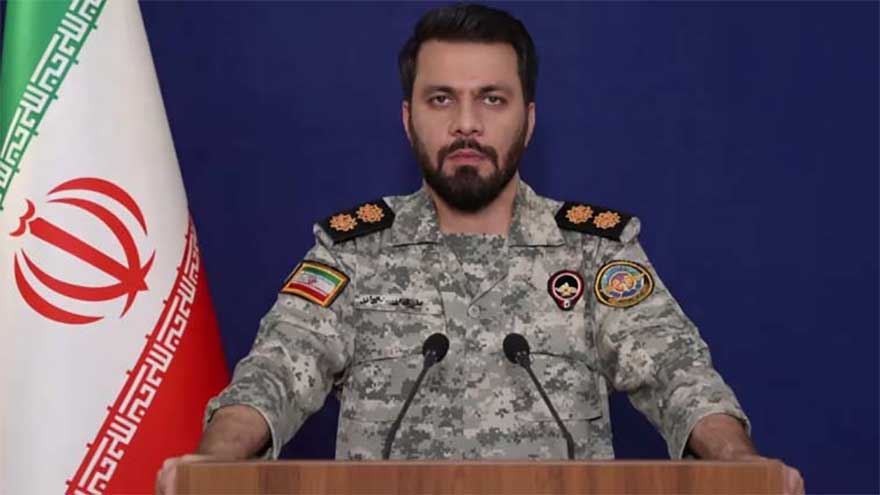
Meanwhile, Iranian military spokesman Ebrahim Zolfaghari warned that if hostility continued to intensify, the entire region could “turn into hell” for Washington and its allies. He argued that any belief the United States could defeat the Islamic Republic would become a strategic trap. According to Iranian officials, attempts to pressure Tehran militarily would only deepen the conflict and drag multiple countries into an extended confrontation.
View this post on Instagram
At the same time, missile and drone attacks have continued across the region as Iran fired additional projectiles toward Gulf states, Iraq and Israel. Although many were intercepted by defense systems, debris caused damage in several areas and increased security concerns. Regional governments fear that if US or Israeli forces target Iran’s energy infrastructure, Tehran could retaliate by striking oil facilities, desalination plants and gas installations across the Gulf.
Read more : Pakistan and China push five-point Gulf peace plan –
In response to these fears, Kuwait activated air defense systems after reporting fresh missile and drone threats, while Gulf leaders expressed alarm over the risk to critical energy facilities. Recent attacks have already affected refineries, desalination plants and other strategic infrastructure. Because the region supplies a major portion of the world’s oil and gas, any prolonged disruption could quickly impact global energy markets and economic stability.
Meanwhile, Israeli security officials signaled they are prepared to expand operations against Iran’s energy and electricity infrastructure once political approval is granted. Prime Minister Benjamin Netanyahu defended the ongoing air campaign and indicated further strikes could follow. Analysts say Israel’s plans appear closely tied to the 48-hour deadline issued earlier by Trump, increasing fears that the conflict may soon intensify.
Read more : Iran carried out more than 5200 attacks on Gulf countries –
The situation has also raised international alarm after Iranian Foreign Minister Abbas Araghchi warned the United Nations about the risk of radioactive leakage following repeated strikes near the Bushehr Nuclear Power Plant. In addition, former nuclear watchdog chief Mohamed ElBaradei urged global powers and Gulf nations to intervene diplomatically, warning that continued escalation could turn the region into a devastating conflict with long-lasting consequences.