LONDON: Iran has seen a sharp rise in crypto currency activity since the start of the Middle East conflict, with experts pointing to both state-linked usage and civilian demand driven by economic pressures.
Read More: Pakistan leans on US and Iran ties to emerge as potential peacebroker
According to blockchain analytics firm Chainalysis, more than $10 million in digital assets moved out of Iranian exchanges between February 28 and March 2, coinciding with the beginning of US-Israeli airstrikes. By March 5, nearly one-third of these funds had been transferred to foreign platforms.
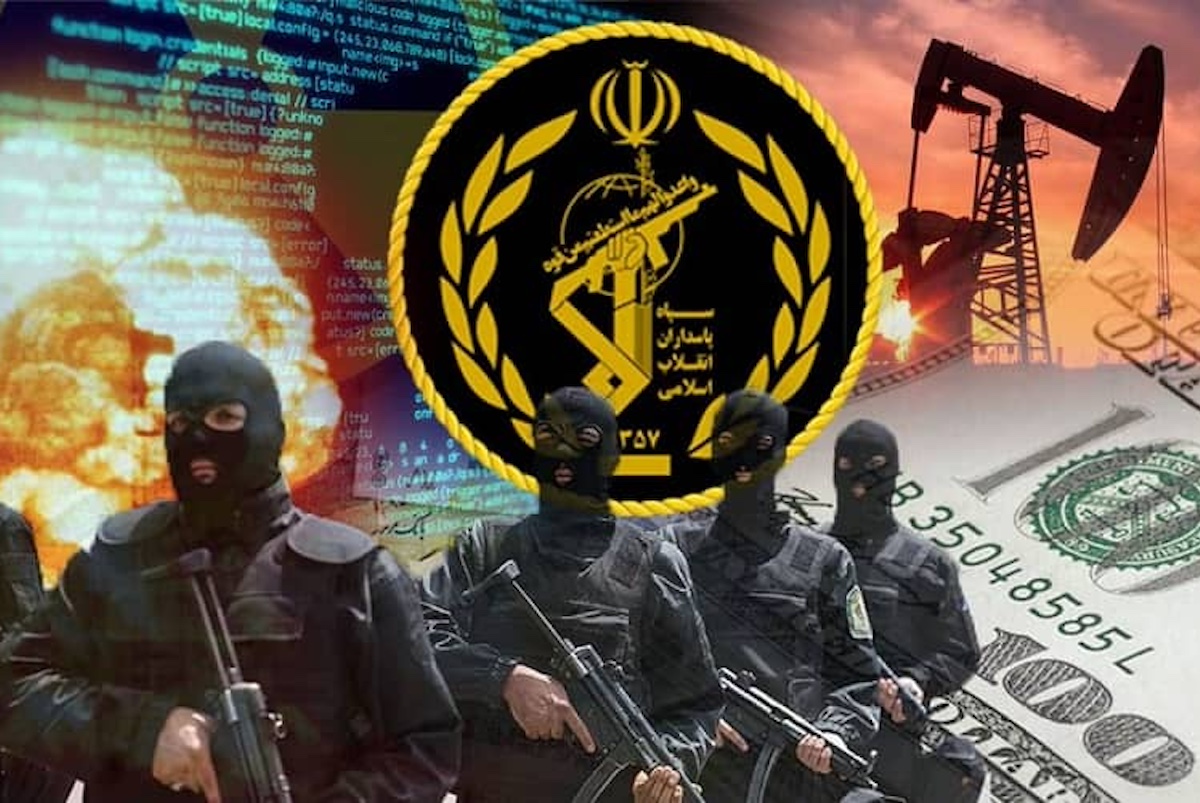
Analysts say the scale of the movement suggests not only individuals seeking to protect savings, but also possible involvement by state-linked entities. Some digital wallets used during this period have been connected to Iran’s Islamic Revolutionary Guard Corps, raising concerns about sanctions evasion.
Cryptocurrencies have become an important tool for Iran, which remains largely cut off from the global financial system due to international sanctions. Experts describe the system as a form of “shadow banking,” enabling transactions that would otherwise be restricted through traditional channels.
Authorities and analysts have also linked digital currencies to the financing of allied groups, including the Houthi movement. Cryptocurrencies offer advantages such as speed, lower costs, and relative anonymity, making them difficult to regulate globally.
At the same time, ordinary Iranians are increasingly turning to digital assets like Bitcoin as a hedge against inflation and currency depreciation. With inflation already high before the conflict, many see cryptocurrencies as a way to preserve value outside the domestic financial system.
Read More: Pakistan reconsiders its crypto direction
Experts note that while the government appears to favour stablecoins tied to the US dollar, civilians prefer bitcoin for its independence from state control. As economic pressures mount, digital currencies are emerging as both a financial workaround and a survival tool for many Iranians.