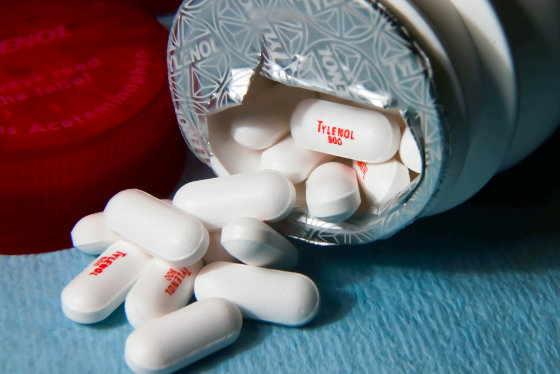
Use of the common pain relief medicine Tylenol among pregnant women in the United States fell noticeably after President Donald Trump publicly linked the drug to autism, according to a new analysis published in the medical journal The Lancet.
Researchers examined emergency room prescribing patterns and found that Tylenol prescriptions for pregnant patients declined after Trump advised expectant mothers to avoid the medication. Tylenol is the brand name for acetaminophen, also known internationally as paracetamol, and is widely used to treat pain and fever.
Read More: Trump Tylenol Warning Sparks Backlash From Experts
In September, Trump suggested that pregnant women should not take the drug, citing research that he said connected prenatal Tylenol use with neurodevelopmental disorders, including autism. The comments sparked debate among health experts and drug manufacturers.
View this post on Instagram
Kenvue, the company that owns the Tylenol brand, rejected the claims, saying scientific evidence does not support a link between acetaminophen and autism. The company maintained that acetaminophen remains one of the safest options available for pain and fever relief during pregnancy when used as directed.
The study, led by Dr. Jeremy Faust, a professor at Harvard and an emergency physician at Brigham and Women’s Hospital in Boston, found that Tylenol prescriptions for pregnant women dropped by about 10 percent overall during the three months following the president’s remarks. Among pregnant patients aged 15 to 44, prescriptions initially fell by 16 percent, with the sharpest weekly decline reaching 20 percent.
Researchers said the reduction appeared to fade after several weeks, possibly due to messaging from medical organisations clarifying the safety of the drug.
Read More: WHO, EU Reject Trump’s Autism Claims
The analysis also noted a surge in prescriptions for leucovorin, a form of folinic acid that Trump promoted as a potential treatment for children with autism. Prescriptions for the medication among children aged five to 17 increased by 71 percent during the study period. Researchers warned that public statements about medical issues can significantly influence healthcare decisions.