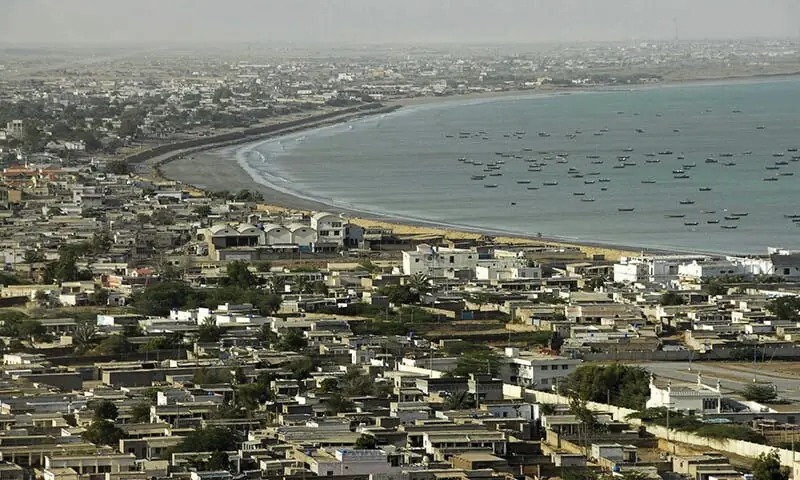
The federal government has approved a comprehensive battery-backed power solution for Gwadar, ensuring uninterrupted electricity supply to the port city by early 2027. The system is designed to stabilize electricity for critical infrastructure, including the deep-sea port, desalination plants, and industrial zones. Officials highlighted that this framework will address fluctuations in demand and prevent strain on the national grid while supporting regional economic growth and investment.
Minister for Power Sardar Awais Ahmed Khan Leghari informed the Senate that current electricity demand in Gwadar stands around 40 to 50 megawatts. The battery energy storage system (BESS) will work alongside low-cost backup generation, ensuring continuous supply even during interruptions from external sources. He emphasized that the new arrangement will maintain stability without adding extra burden to Pakistan’s national grid.
Read more : ‘Five-year maritime plan poised to transform Gwadar into trade hub .
Currently, Gwadar receives electricity from two primary sources: imports from Iran and the national grid. Under a bilateral agreement, Pakistan purchases a set quantity of electricity from Iran annually, but supply intermittency and voltage fluctuations have previously affected grid stability across the Makran region. The battery-backed system will mitigate these challenges, eliminating the dependence on fluctuating external and long-distance power transmission.
The minister explained that transmission from the national grid spans over 600 kilometers, causing voltage drops during peak demand periods. Earlier proposals, including a 300MW coal-fired power plant under CPEC, were deemed economically unviable due to Gwadar’s moderate demand. The new battery-based solution is tailored to the city’s requirements, reducing electricity costs and supporting sustainable infrastructure growth.
Read more : Govt allocates over Rs13bn for key Gwadar projects
Leghari also highlighted provincial efforts, including solarizing 28,000 agricultural tube wells in Balochistan at a cost of around Rs55 billion, which is expected to save Rs35 to Rs36 billion annually for the national grid. These initiatives reflect Pakistan’s ongoing shift toward renewable energy and competitive electricity procurement mechanisms.
The minister expressed confidence that the battery-backed power system would mark a major milestone in Gwadar’s development, ensuring 100 percent reliable electricity for residents and businesses, while fostering industrial and port city expansion by early 2027.