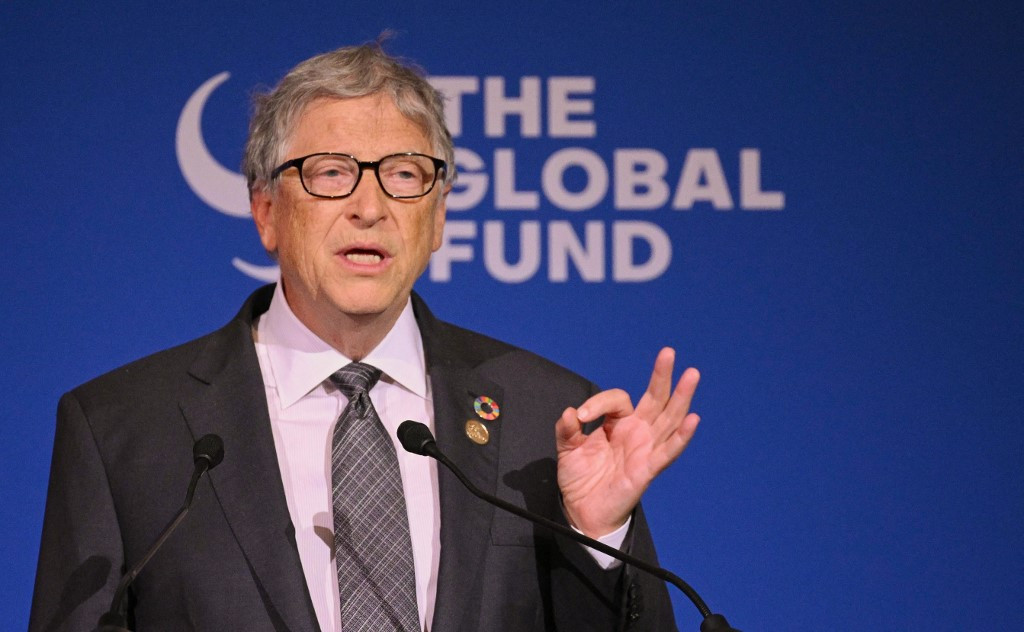
Bill Gates pulled out of India’s AI Impact Summit hours before his keynote, adding to a troubled start for the six-day event plagued by organisational lapses. The summit, billed as the first major AI forum in the Global South, faced additional cancellations from high-profile figures like Nvidia’s Jensen Huang, raising concerns over planning and coordination. Attendees expressed frustration over traffic, VIP prioritisation, and abrupt changes to schedules that disrupted participation.
Despite disruptions, the summit secured over $200 billion in AI investment pledges, including Reliance Industries’ $110 billion plan and a partnership between India’s Tata Group and OpenAI. Indian Prime Minister Narendra Modi addressed the event alongside French President Emmanuel Macron and leading AI executives, urging measures to protect children on AI platforms. Modi highlighted that AI development must prioritize family safety, likening it to curating a school syllabus for young learners.
Read more : Bill Gates pledges $1.6 billion to protect poor children from measles …
Gates’ cancellation came after U.S. Department of Justice emails surfaced last month showing communications between his foundation and the late financier Jeffrey Epstein. The Gates Foundation clarified that interactions were philanthropy-related, with Gates calling meetings with Epstein a mistake. Officials said his absence aimed to keep the summit focused on key AI priorities and avoid distractions from unrelated controversies.
The New Delhi Frontier AI Commitments were formally launched during the summit, with executives pledging to pursue responsible, inclusive AI development. However, a staged photoshoot between rival CEOs OpenAI’s Sam Altman and Anthropic’s Dario Amodei highlighted subtle tensions, as the two declined to hold hands while others posed unitedly. Organisers stressed that the commitments aim to standardize ethical approaches across emerging AI technologies globally.
Read more : Bill Gates vows to donate entire fortune by 2045 to fight global crises
Exhibition halls were unexpectedly closed to the public, angering companies that had invested in displays, while incidents like Galgotias University showcasing a Chinese-made robot as its own creation sparked public uproar. Traffic shutdowns to prioritise VIP movement caused widespread chaos in Delhi, forcing attendees to walk long distances without taxis or shuttles, provoking criticism from researchers and opposition politicians.
Observers said the summit demonstrated India’s potential as a global AI hub but also underscored organisational weaknesses that could harm its reputation. Analysts noted that despite financial successes, poor logistical planning and high-profile withdrawals could affect future participation, investor confidence, and India’s position in global AI governance.