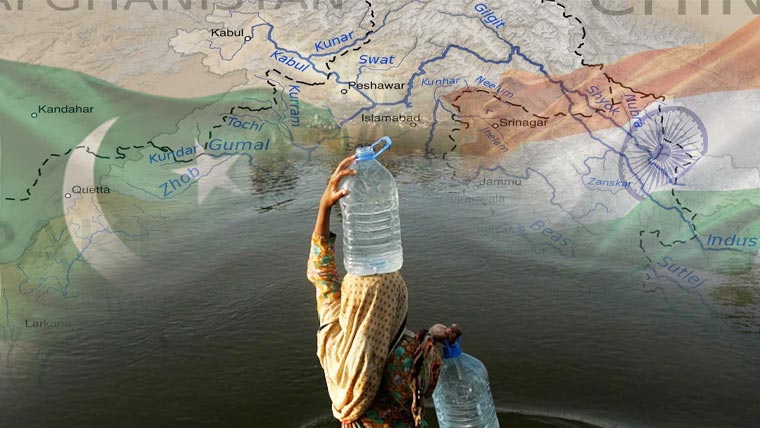
The United States-based journal The National Interest has warned that India’s suspension of the Indus Waters Treaty could create a major human threat in South Asia. The report supported Pakistan’s concerns, stating that India’s moves may turn water into a strategic weapon. It highlighted the growing regional tensions and potential humanitarian consequences.
According to the journal, India’s Dholera Stage II project violates the treaty and undermines Pakistan’s water rights. The suspension of the treaty could worsen regional conflicts. Experts noted that withholding river data and unilateral actions by India contravene international law. The report emphasized that water scarcity could escalate into a serious human crisis across South Asia.
Read more: The Weaponization of Waters! Geo-political Risks
The National Interest stressed that the Indus Waters Treaty ensures food and water security in Pakistan. India is legally obligated to provide water from the western rivers. The journal described India’s attempts to weaponize water as unacceptable under global laws. Regional stability depends on treaty adherence and cooperation between the two nations.
The report also highlighted the role of international courts and arbitration. Global legal frameworks prohibit unilateral suspension of water-sharing agreements. Experts warned that ignoring these rules could trigger long-term geopolitical and humanitarian consequences. Diplomatic efforts are crucial to prevent water-related conflicts and maintain regional peace.
Read more: Indus waters treaty can’t be unilaterally paused, says world bank
Finally, the journal urged both countries to respect treaty obligations and international law. It called for urgent measures to avoid human suffering from water shortages. The article concluded that strategic manipulation of water resources poses serious environmental and social risks.