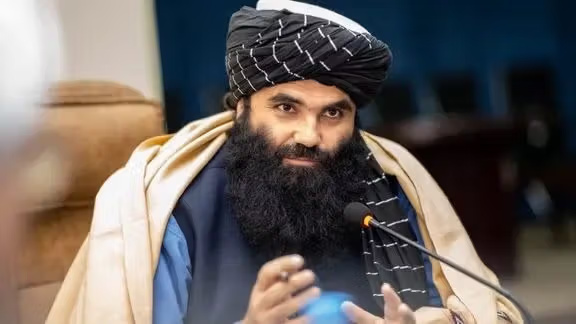
A leaked audio recording of Taliban supreme leader Hibatullah Akhundzada has shed light on a growing divide between hardline elements in Kandahar and a more pragmatic faction in Kabul, BBC News reported.
Read More: Taliban warn militant groups: Attacking Pakistan is not jihad
The recording, reportedly delivered at a seminary in Kandahar about a year ago, suggests Akhundzada is concerned that internal disagreements could threaten the Islamic Emirate. Analysts interpret the speech as confirmation of tensions between two competing groups within the Taliban.
🚨P-AM IMPORTANT:
In a rare leaked address, Taliban Supreme Leader Hibatullah Akhundzada warned his commanders that the Islamic Emirate is no longer under threat from foreign forces, but now faces a soft war of propaganda and internal dissent.
Akhundzada indirectly pointed to… pic.twitter.com/QRPe6Ib2IA
— Pak-Afghan Matters (@pakafghanmatter) January 15, 2026
The Kandahar faction, loyal to Akhundzada, advocates for a strict Islamic Emirate with limited engagement with the modern world, where religious leaders control societal and political affairs. In contrast, the Kabul-based faction, comprising cabinet ministers and influential scholars, favors a version of Afghanistan that — while still following conservative Islamic principles — engages with the international community, promotes economic development, and allows girls and women access to education beyond primary school.
The divide became apparent when Akhundzada ordered internet and phone shutdowns in late September, only for services to resume three days later. Experts suggest the Kabul faction may have defied the directive, indicating a rare internal challenge to the supreme leader’s authority.
Since the Taliban’s return to power in 2021, Akhundzada has remained largely in Kandahar, issuing directives directly to local authorities and bypassing ministers in Kabul. His reclusive nature, combined with concentrated power in the south, has fueled concerns among Kabul-based officials about governance, enforcement of virtue laws, and international relations.
Taliban spokesman Zabihullah Mujahid, while confirming the existence of the audio recording, dismissed reports of a schism as “unfounded,” emphasizing that all ministers retain delegated authority and that minor differences in opinion should not be interpreted as disagreement.
Read More: Malala slams Taliban for ruining girls’ education
Despite these assurances, analysts suggest that the tension between Kandahar and Kabul reflects deeper questions about the Taliban’s future direction and governance style, with observers noting that open opposition to Akhundzada remains unlikely.