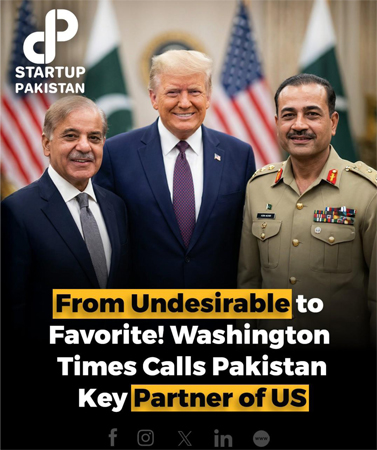
 The year 2025 marked a remarkable turning point in United States-Pakistan relations, reversing decades of mistrust, skepticism, and strategic marginalization. Under President Donald Trump, Pakistan experienced one of the most dramatic diplomatic rehabilitations in recent history, transforming from a difficult partner into a central pillar of Washington’s evolving strategy for South Asia and beyond. This shift not only altered bilateral ties but also reshaped the broader geopolitical balance of the region.
In an opinion piece published by Washington Times dated 21 December 2025, retired Brigadier General Mark Kimmitt analyzed that how brilliantly Pakistan transitioned from an apparent isolated country to a central strategic partner for US. Analytical gist of the article titled “Trump’s Surprising Policy Turn on Pakistan”, merits more deliberations in the backdrop of evolving geo-strategic environment at regional and global chessboard.
Changing US Perceptions About Pakistan
At the beginning of 2025, Pakistan’s standing in Washington was bleak. American policymakers largely viewed Islamabad as a complex and challenging country to deal with. Pakistan was frequently accused of maintaining covert links with the Taliban and of selectively cooperating on counterterrorism. Despite modest economic recovery after the devastating floods of 2022- 2023, the country remained dependent on external financing thus generating the perceptions of fragility. Armed forces, being a potent delivering entity, was considered opaque and prone to strategic resistance, while its close relationship with China further deepened American concerns. During this period, US foreign policy largely revolved around an Indiafirst approach. India was regarded as the natural anchor of Washington’s Indo-Pacific strategy, supported by frameworks such as the Quad. Within Trump’s advisory circle, the expectation was that Pakistan would remain sidelined in favor of strengthening ties with New Delhi. However, this assumption gradually came under strain as concerns emerged regarding India’s internal and external trajectory. Rising majoritarian politics, restrictions on civil liberties, uneven military performance, and growing diplomatic inflexibility prompted a reassessment of India’s reliability as a regional stabilizer.
Initial Signs of Thaw: CT Cooperation
Against this backdrop, the initial signs of a thaw in US-Pakistan bilateral relations appeared through discreet counterterrorism engagements.
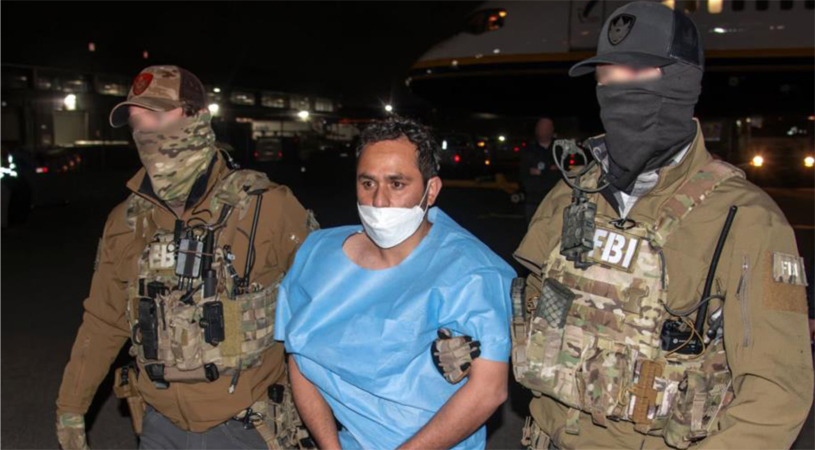
These quiet but valuable exchanges suggested a renewed willingness on both sides by to cooperate substantively with security priorities of each other . Renewed counterterrorism cooperation, specifically the capture of highvalue ISIS-Khorasan targets like Sharifullah alias Jafar (linked to the 2021 Abbey Gate attack), restored Washington’s trust in Pakistan’s security potentials. The stunning surprise came in March 2025 when President Trump publicly praised Pakistan’s counterterrorism efforts in a national address. This endorsement reversed the long-standing US policy and jolted Washington’s foreign policy establishment, signaling that Trump was prepared to modify or alter the conventional strategic thinking.
Swift and Well-Measured Response of Pakistan
Pakistan moved swiftly to capitalize on this opening. Islamabad responded with calibrated gestures of cooperation, each of which earned increasing goodwill in Washington. A virtuous cycle soon emerged: cooperation generated praise, praise encouraged further engagement, and trust deepened rapidly. American officials who once dismissed Pakistan as challenging country; gradually began describing it as responsive, flexible, and strategically useful. What had long been a brittle, transactional relationship began evolving into a more meaningful partnership.
Military Dominance Over India: Real Turning Point
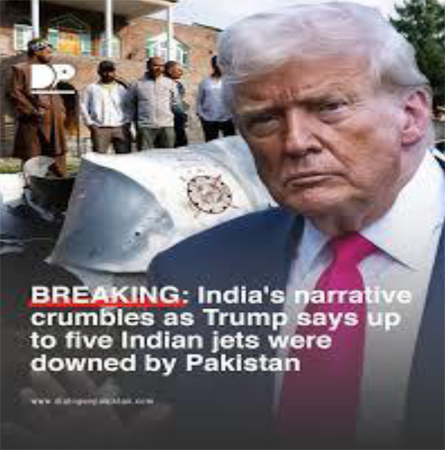
A decisive turning point came during a brief but intense military clash between Pakistan and India in May 2025. Pakistan’s performance reportedly surprised and impressed President Trump and senior US officials alike.
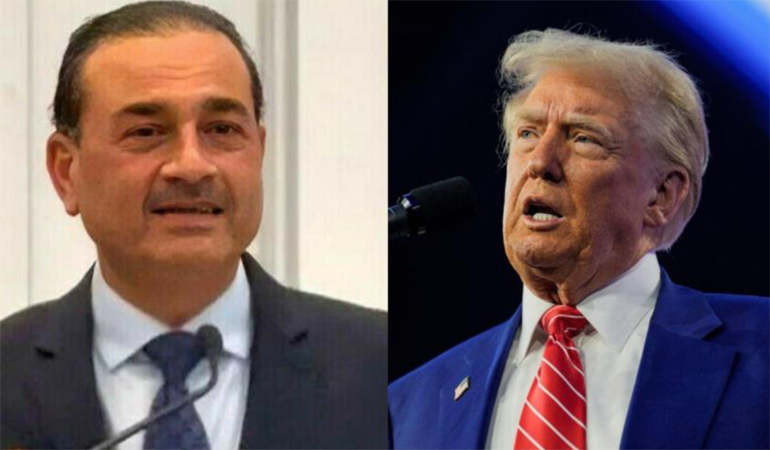
The conflict highlighted Pakistan’s military discipline, strategic clarity, and effective use of asymmetric capabilities-qualities that Washington had not expected from a country it had previously kept at a distance as compared to India. This episode forced a reassessment of Pakistan’s military credibility and restored its image as a serious regional actor.
Impactful Military Reforms
Pakistan’s renewed relevance was reinforced by internal military reforms. The restructuring of the armed forces, including the creation of the position of chief of defense forces-held by Field Marshal Asim Munir alongside his role as army chief-signaled greater institutional coherence and modernization. These developments strengthened Pakistan’s standing in Washington and aligned with Trump’s preference for dealing with strong and fully cohesive leadership.
Ceasefire Saga: Focused Pakistan Vs Confused India
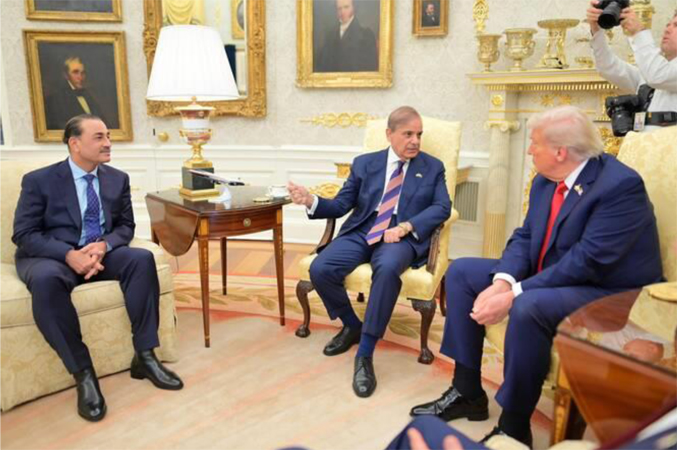
Another pivotal factor was President Trump’s role in brokering a ceasefire between India and Pakistan. While Islamabad expressed appreciation for Trump’s intervention, India appeared dismissive. For Trump, who has consistently emphasized his desire to end wars rather than initiate them, India’s reaction was perceived as a diplomatic slight. In contrast, Pakistan’s gratitude significantly boosted its standing in Washington, further eroding the exclusivity of the India-first policy.
Leadership Traits of CDF
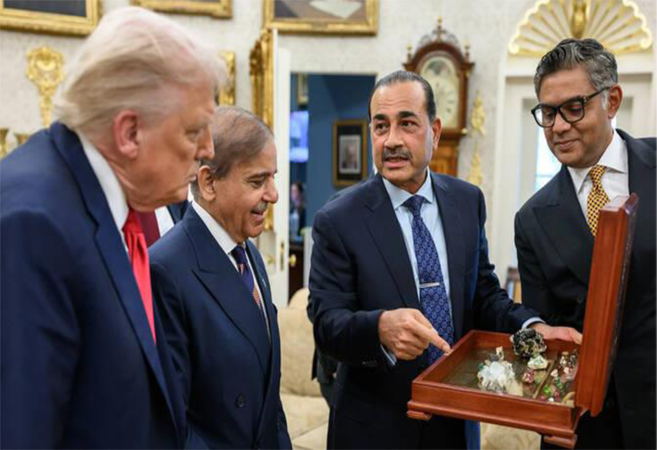
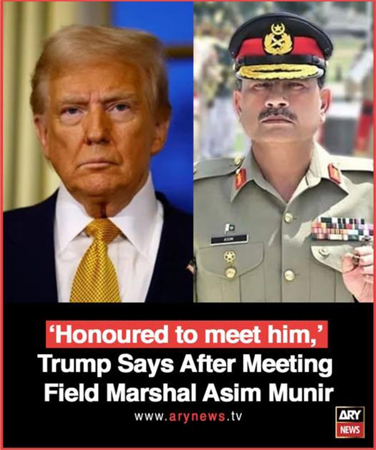
The personal rapport between President Trump and Pakistan Army Chief, Field Marshal Asim Munir, has been a decisive factor in rebuilding the diplomatic trust. Their relationship, described by insiders as unusually warm, played a critical role in reshaping perceptions. CDF Asim Munir was seen in Washington as a disciplined and enigmatic leader who carefully managed his public image.
Pakistan adeptly leaned into this attention, even engaging in lighthearted rhetoric about Trump’s suitability for a Nobel Peace Prize-an approach that resonated with personal style of US president and amplified media interest .
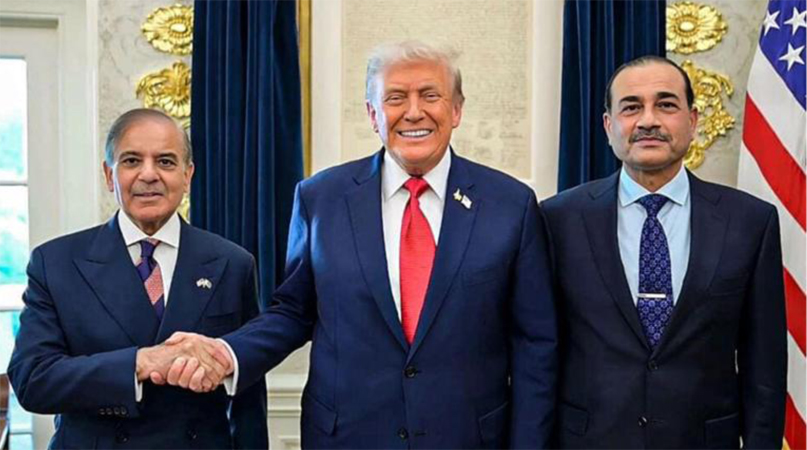
Symbolism soon followed substance. Exceptional invitation for Field Marshal Asim Munir to a White House lunch-the first ever extended to a Pakistani military chief-marked a historic moment. Subsequent high-profile visits to US Central Command and meetings with senior American military leaders underscored Pakistan’s restored status. These gestures signified a complete reversal from the suspicion and distance that had characterized relations earlier in the year.
The Mineral Corridor Factor
Pakistan has positioned itself as a critical supplier of rare-earth minerals considered essential for US defense technology. In September 2025, a $500 million contract was signed between U.S. Strategic Metals and Pakistan’s Frontier Works Organisation, creating a “mineral corridor”
Conclusion
By early 2026, Pakistan seems to be central to Trump’s emerging grand strategy for South Asia and the Middle East. Washington now viewed Islamabad as a valuable intermediary with Iran, a potential contributor to shifting Middle Eastern dynamics, including Gaza-related diplomacy, and a subtle counterbalance to potential contenders in Asian region. Pakistan’s integration into important strategic affairs reflected its newfound importance.
While the long term durability of this policy shift would depend on multiple factors, Pakistan’s improved transformation in 2025 is undeniable. The temporary eclipse of Washington’s India-first approach underlines the fluidity of international politics and the impact of leadership, military credibility, and personal diplomacy. Pakistan’s resurgence compelled the US to alter the policy and seek renewed strategic balance in South Asia, reaffirming its role as a significant regional and international actor.