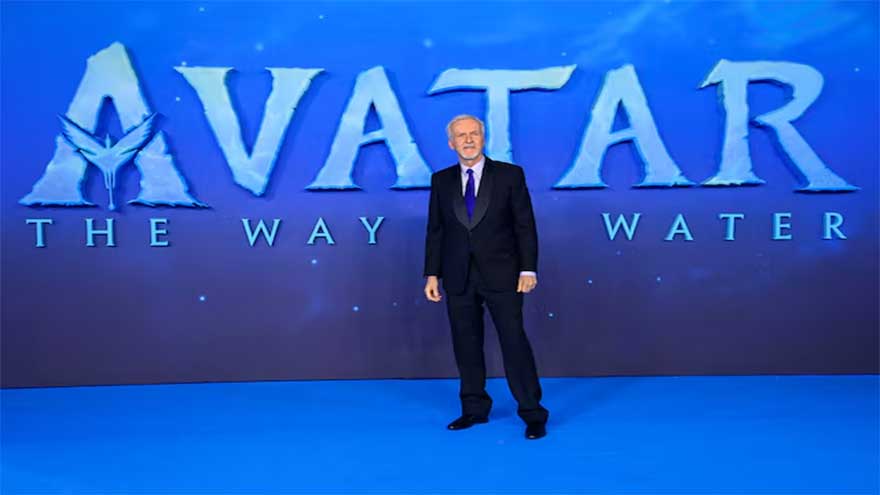
Disney and acclaimed filmmaker James Cameron have been sued in a California federal court by a 3-D animator who claims his work was copied in the blockbuster 2022 film Avatar: The Way of Water. The lawsuit adds fresh legal pressure ahead of the release of the next installment in the franchise.
Read More: James Cameron plans animated expansion for ‘avatar’ universe
The complaint was filed on Monday by Eric Ryder, a 3-D animator who alleges that Cameron improperly used elements from his science fiction story titled KRZ. Ryder claims he collaborated with Cameron’s production company, Lightstorm Entertainment, in the late 1990s.
According to the lawsuit, Ryder shared concepts and story ideas with Lightstorm while developing a potential film project. He now alleges that key elements of KRZ were later incorporated into the Avatar series without his permission.
Disney, James Cameron sued for copyright infringement over ‘Avatar’ https://t.co/VabXwxXdl9 https://t.co/VabXwxXdl9
— Reuters (@Reuters) December 16, 2025
A third Avatar film, titled Fire and Ash, is scheduled for release in the United States on Friday. Ryder is seeking at least $500 million in damages and has asked the court to block the film’s release.
Ryder previously filed a lawsuit over the original Avatar film in 2011, but that case was dismissed by a California state court. The court ruled at the time that Cameron had created Avatar before Ryder submitted his work to Lightstorm.
In the new filing, Ryder argues that this case does not attempt to revisit earlier claims. Instead, it focuses on what he describes as new acts of copying that appeared for the first time in The Way of Water.
The complaint alleges similarities between KRZ and Avatar, including anthropomorphic beings, expansive ocean settings, and an Earth-based corporation exploiting natural resources. Ryder also claims that Avatar: The Way of Water introduced a life-extending substance similar to one featured in his story.
Read More: First ‘Avatar 2’ footage shown as Disney and Universal hit CinemaCon
Disney and Lightstorm Entertainment did not immediately respond to requests for comment. Ryder’s attorney described the alleged copying as blatant, arguing that the success of the Avatar franchise warrants significant compensation for his client.