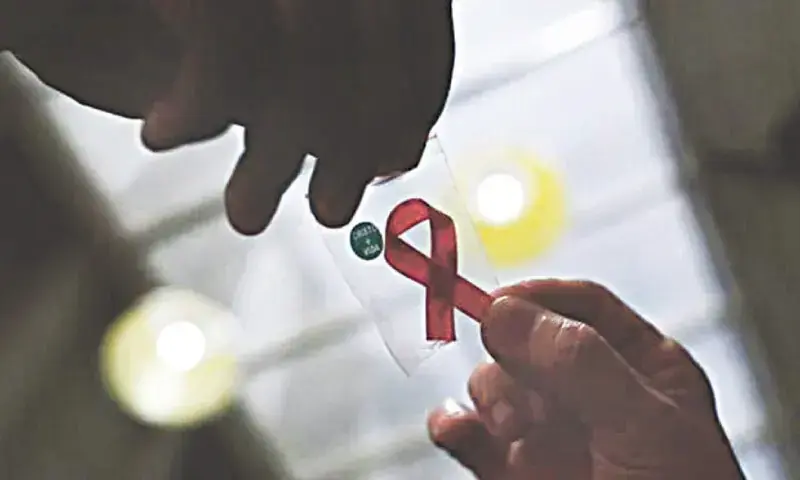
ISLAMABAD: Prime Minister Shehbaz Sharif has called for the urgent elimination of stigma and discriminatory attitudes associated with AIDS, emphasising that such barriers hinder effective prevention and treatment efforts. In his message on World AIDS Day, observed on Monday, he said societal acceptance and empathy were crucial for supporting individuals living with HIV/AIDS.
Read More: Pakistan suffers from second fastest rate of AIDS spread: experts
The prime minister highlighted that ensuring access to treatment, adopting modern medical practices, and promoting community-level cooperation could play a significant role in reshaping perceptions around HIV. He reaffirmed that Pakistan stood with the international community in its resolve to eliminate AIDS as a major public health threat and safeguard all citizens from the disease.
Shehbaz Sharif stressed that the federal government, working alongside provincial administrations, was committed to ensuring that local-level initiatives produced meaningful and measurable results. He underlined that health protection was a basic civil right, and equal opportunities in prevention, diagnosis, treatment, and care were key priorities for the government.
This year’s World AIDS Day is themed “Overcoming Barriers and Changing the Attitude Towards AIDS,” which the prime minister said reflected the need to confront new challenges with renewed determination. He noted that the HIV epidemic had tested health systems globally, urging governments to build comprehensive strategies and enhance system resilience.
The premier said changing public attitudes and responses toward HIV/AIDS was vital. While strengthening the health system was essential, he added that it was equally important to listen to the voices of those directly affected by the disease. Through compassion, innovation, and sustained investment, he said, the government could diversify and reinforce its response to HIV.
Read More: Punjab CM orders probe into AIDS outbreak in Taunsa
Despite advancements in treatment, Shehbaz Sharif acknowledged significant gaps in public-level diagnosis, access to care, and community awareness. He urged society to face these challenges with empathy and seriousness, reiterating the government’s commitment to improving treatment access, ending discrimination, and preventing parent-to-child transmission of HIV.