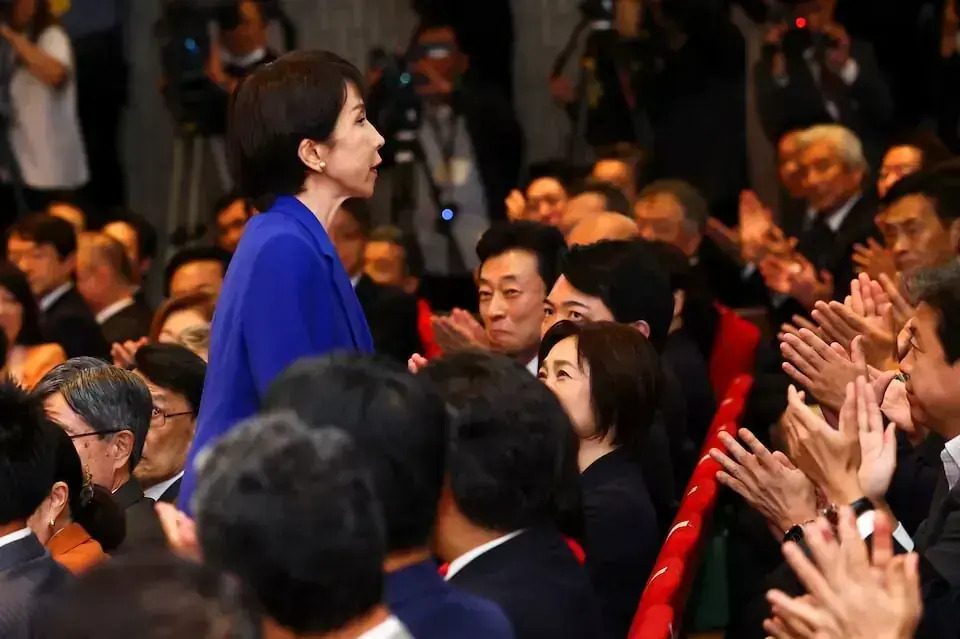
Japan approved a 21.3 trillion yen stimulus package on Friday, marking Prime Minister Sanae Takaichi’s first major policy move since taking office. The plan reflects her pledge to use aggressive fiscal spending to revive growth. It includes 17.7 trillion yen in general account outlays and the biggest stimulus since the COVID era.
Markets reacted nervously as the package far exceeds last year’s spending. The plan also features 2.7 trillion yen in tax cuts. Investors fear deeper fiscal strain as debt rises, pushing the yen to a 10-month low and lifting super-long bond yields to record highs. Analysts say the scale of spending signals a more expansionary era under Takaichi.
Read more: Japan tells citizens in China to stay safe as relations sour
Takaichi defended the plan and said it still considers fiscal sustainability. She noted that the government will use stronger-than-expected tax revenues and non-tax income to fund the package. She added that any remaining gap will be covered through additional bond issuance. She also said total bond issuance for the year will likely stay below last year’s level.
Officials have not finalised the exact size of new bonds needed to fund the stimulus. Sources say the amount will exceed the 6.69 trillion yen issued for last year’s package. This uncertainty has added to market pressure as traders weigh the long-term impact on Japan’s finances.
Read more: China boycott hits Japan’s tourism hard
The cabinet aims to approve a supplementary budget as early as November 28. The government hopes to pass the budget through parliament before year-end. Takaichi’s first major initiative now sets the tone for her economic strategy and Japan’s fiscal direction in the months ahead.