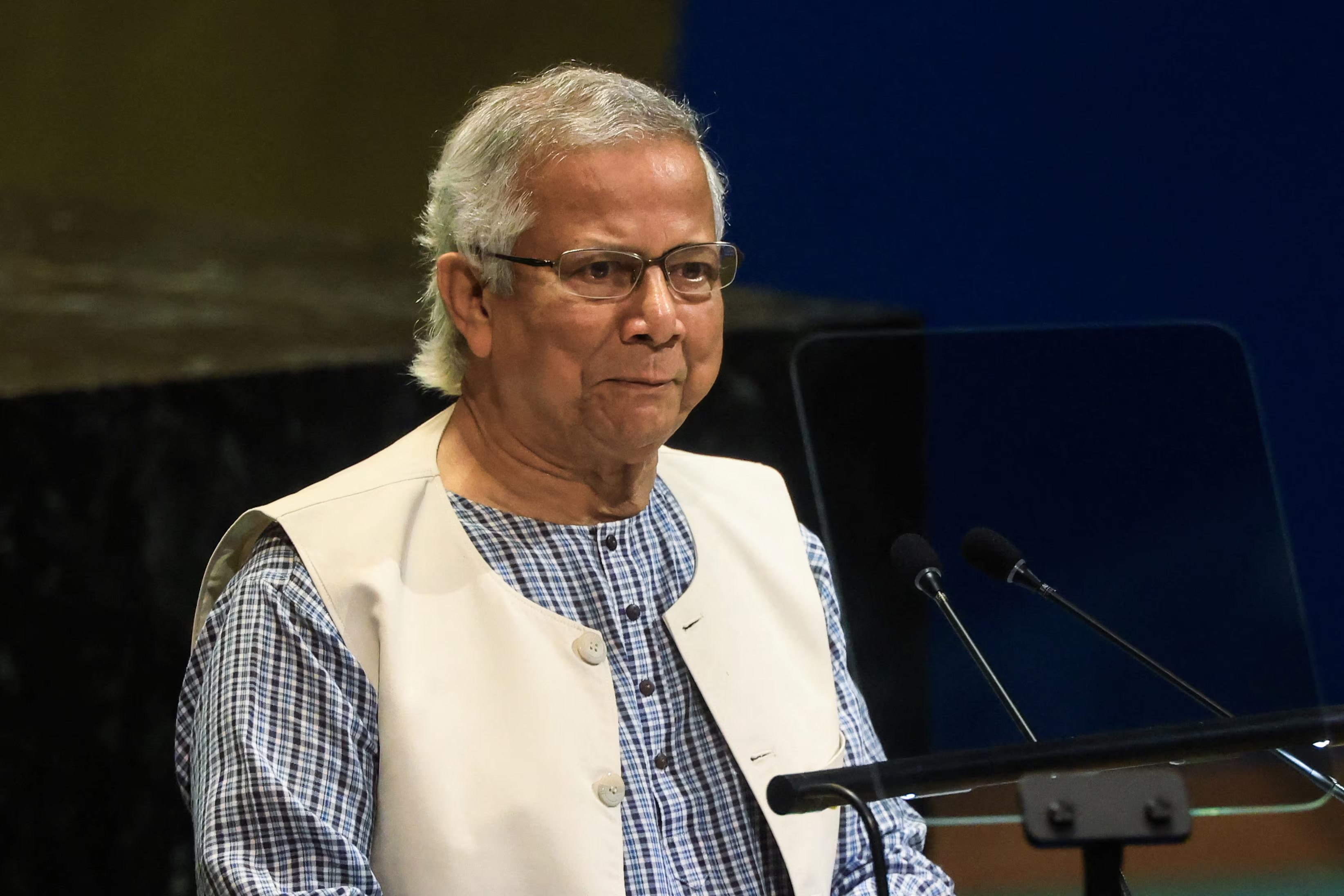
Bangladesh’s interim government announced plans to hold a national referendum on implementing the “July Charter,” a reform blueprint created after last year’s student-led uprising. Interim leader Muhammad Yunus confirmed the decision on Thursday, emphasizing that the proposed changes aim to reshape national politics, strengthen institutions, and formally recognize the 2024 uprising that forced former Prime Minister Sheikh Hasina to flee to India.
Yunus also reaffirmed that parliamentary elections are scheduled for February and assured that the vote will be free and fair. The announcement marks a crucial step toward restoring political stability after months of unrest that left deep divisions across the country’s political spectrum.
Read more : Bangladesh’s riverbank communities battle relentless floods
The July Charter, signed by a majority of political parties in October, calls for sweeping constitutional reforms to prevent power concentration and promote transparency. However, the National Citizens Party (NCP) — formed by the leaders of last year’s protest movement — along with four left-leaning parties, refused to sign the document, citing the absence of a binding legal framework to ensure its implementation.
Supporters of the charter argue that it lays the groundwork for long-overdue institutional change and greater public accountability. They believe it symbolizes a fresh beginning for Bangladesh’s democracy after years of political dominance by one party. Critics, however, warn that without a clear enforcement mechanism or broad parliamentary consensus, the charter’s promises could remain largely symbolic.
Read more : Pakistan, Bangladesh vow to boost defence and security cooperation
As the referendum approaches, public attention is turning toward how the reform plan will be executed and whether it can truly deliver on its promise of political renewal. The outcome is expected to define Bangladesh’s future direction and its efforts to rebuild trust between the government and its citizens.