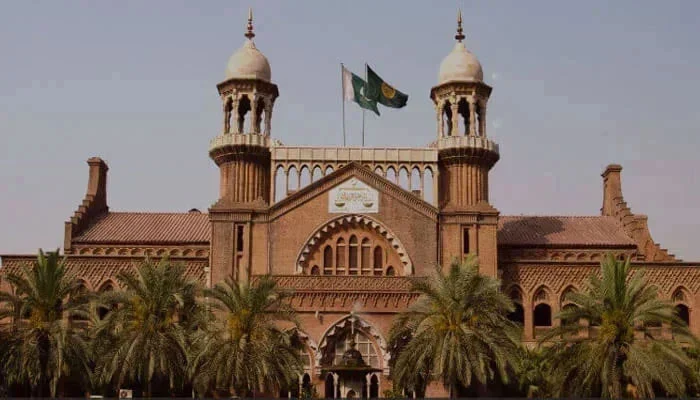
The Lahore High Court (LHC) on Monday voiced strong dissatisfaction with the Punjab government’s ineffective measures to curb smog, as air pollution continues to choke Lahore and nearby regions. During the hearing on multiple petitions regarding environmental issues, Justice Shahid Kareem stated that nearly 70% of the city’s pollution comes from transport, stressing that authorities must take responsibility instead of blaming others. The court also ordered a strict crackdown on smoke-emitting vehicles and summoned the Deputy Commissioner of Lahore for failing to ensure effective enforcement.
Moreover, the court criticised the government for not implementing restaurant closing times and questioned the purpose of anti-smog guns, which appear to have little visible impact. Justice Kareem warned that without stronger action and accountability, Lahore’s worsening air quality could become an annual public health disaster. He urged the authorities to take immediate, practical steps to control vehicular emissions and industrial pollution contributing to the toxic haze engulfing the city.
Read more : Maryam Nawaz launches ordinance to end land grabbing in Punjab
Meanwhile, Lahore has once again topped global pollution charts, with an Air Quality Index (AQI) reading of 233, placing it among the world’s most polluted cities. The thick smog has reduced visibility, disrupted daily life, and triggered widespread health complaints such as coughing, throat irritation, and breathing problems. The toxic air, worsened by seasonal crop burning, vehicle emissions, and stagnant weather conditions, has left much of Punjab under a suffocating grey cloud.
Punjab’s government, however, insists it has intensified actions against the use of low-grade fuel and open garbage burning. Senior officials claim that Lahore’s AQI has slightly improved due to enhanced monitoring and targeted measures. Still, authorities have partly blamed transboundary air pollution drifting from across the Indian border for worsening air conditions in various parts of the province, especially during winter.
Read more : Punjab CM orders ban on wall chalking across province
Environmental experts warn that prolonged exposure to such hazardous air can lead to serious illnesses, including heart disease, lung cancer, and strokes. As the winter season sets in, cooler temperatures and low wind speeds trap pollutants closer to the ground, making the situation more dangerous. Health specialists have urged residents to limit outdoor movement, use masks, and ensure indoor ventilation to reduce the risk of respiratory distress.