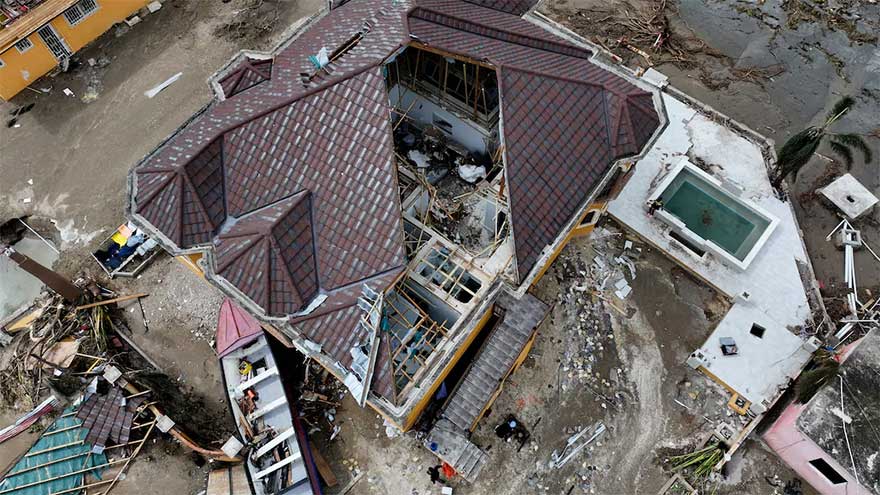
PORT-AU-PRINCE/KINGSTON/HAVANA – The death toll from Hurricane Melissa rose to 49 on Thursday after the Category 5 storm tore through the northern Caribbean, devastating Jamaica and Haiti before moving toward Bermuda. The storm, one of the strongest on record in the Atlantic, caused widespread flooding, power outages, and infrastructure damage across multiple nations.
Haitian authorities reported at least 30 deaths and 20 missing, mostly in the southern town of Petit-Goave, where a river burst its banks, destroying homes and farmlands. In Jamaica, officials confirmed 19 fatalities, including 10 children, as strong winds ripped off roofs, uprooted trees, and left hundreds of thousands without electricity. The Jamaican military has called up reserves to assist with relief and rescue efforts.
Read More: Hurricane erin turns deadly as category 5 storm hits Caribbean
Melissa made landfall in southwestern Jamaica on Tuesday, the country’s most powerful hurricane since 1988. The storm’s winds exceeded 160 mph (257 kph), placing it among the most intense Atlantic hurricanes on record, according to AccuWeather, which estimated economic losses of up to $52 billion across the western Caribbean.
In Cuba, where some 735,000 people were evacuated ahead of the storm, authorities reported no deaths but widespread damage to homes, agriculture, and communications infrastructure. More than 240 communities remain cut off in Santiago province. Meanwhile, in the Bahamas, officials lifted storm warnings but maintained restrictions until full safety assessments are completed.
Read More: Hurricane Erin pounds Caribbean with heavy rain
As the hurricane moved past Bermuda as a Category 2 storm late Thursday, scientists reiterated concerns about increasingly intense storms linked to climate change and warmer ocean waters. Caribbean leaders have renewed calls for climate reparations and faster access to global disaster relief funds, warning that small island nations face mounting risks with limited resources.