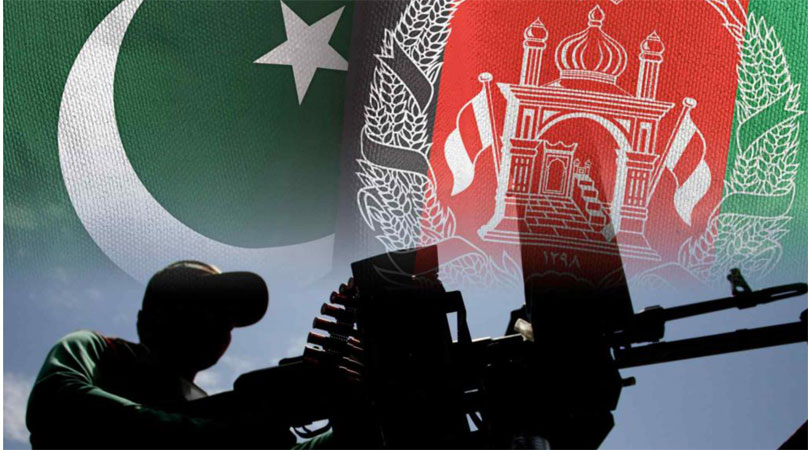
 Recent cross-border clashes between Pakistan and Afghanistan mark a dangerous escalation in an already volatile relationship. The renewed aggression by Afghan border forces, coupled with a surge in terrorist attacks inside Pakistan by the Tehreek-e-Taliban Pakistan (TTP), underscores a troubling reality: Afghanistan has once again become a sanctuary for militants Indian backing targeting Pakistan.
A Pattern of Betrayal Despite
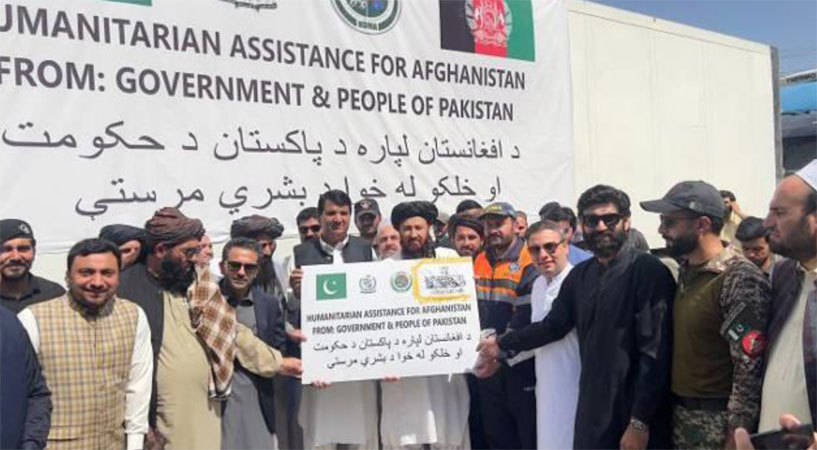
Pakistan’s Goodwill Pakistan’s position on Afghanistan is rooted in decades of humanitarian and diplomatic support. When the Taliban took control of Kabul in August 2021, most foreign missions fled, yet Pakistan not only kept its embassy open but also facilitated the safe evacuation of thousands of foreigners.
Islamabad repeatedly urged the international community to unfreeze Afghanistan’s $9 billion in assets to avert a humanitarian crisis and raised the issue at major forums like the United Nations and the Economic Cooperation Organization (ECO). Pakistan went further, advocating regional aid and offering trade facilitation to Kabul.
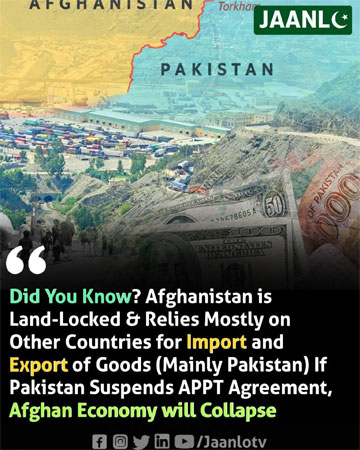
Under the Afghanistan-Pakistan Transit Trade Agreement (APTTA), Afghanistan enjoys duty-free access to Pakistani ports and markets. Pakistan also reduced tariffs on eight major Afghan agricultural exports under the Early Harvest Program, easing cross border commerce. Yet, these gestures of goodwill were met not with cooperation, but with growing hostility. Instead of ensuring that its soil was not used for terrorism, the Taliban-led interim government has allowed the TTP and other extremist factions such as “Fitna al-Khawarij” to operate training camps and launch cross-border attacks against Pakistan.
Terror Sanctuaries Inside Afghanistan
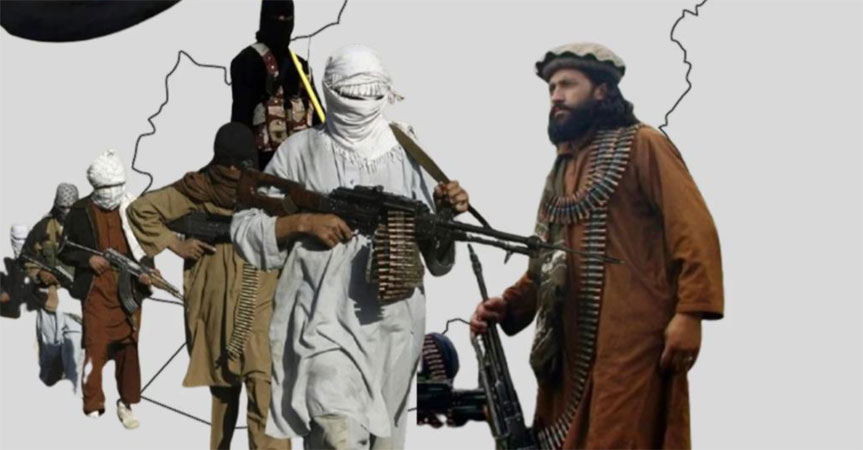
Hostile militant groups now maintain over 60 training and operational camps across the Afghan provinces of Nangarhar, Kunar, Nuristan, Paktika, and Khost. These sanctuaries serve as launch pads for attacks inside Khyber Pakhtunkhwa and Balochistan.
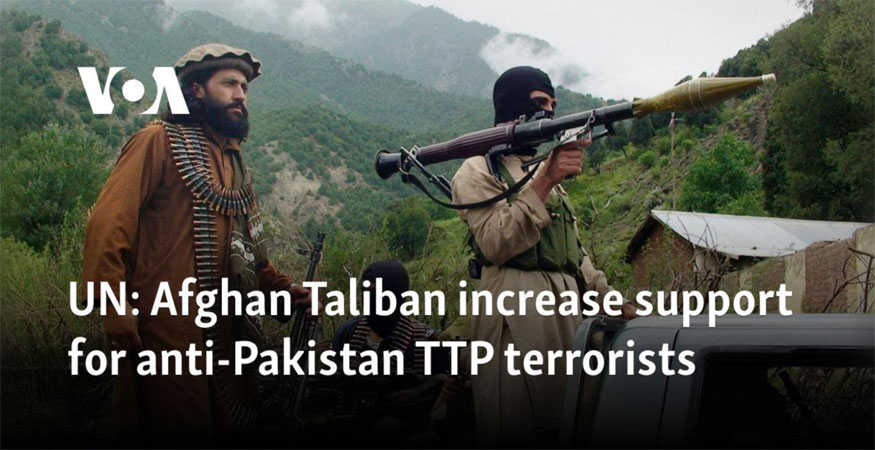
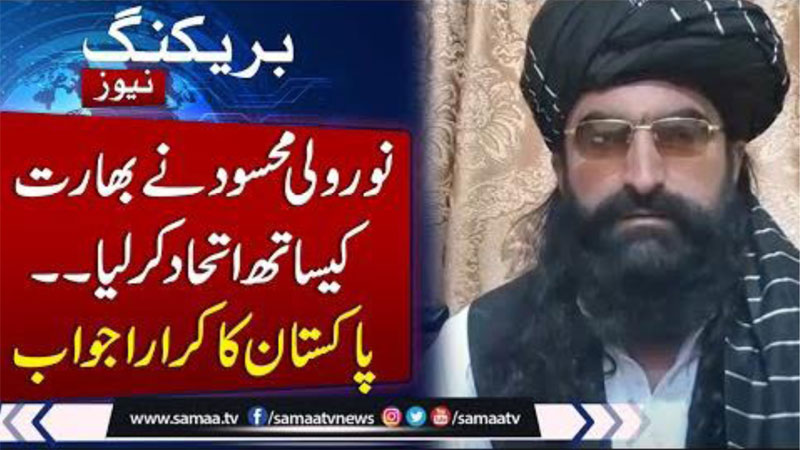
Islamabad has provided Kabul with precise coordinates of these camps on multiple occasions, yet no credible action has been taken. Instead, the Taliban’s General Directorate of Intelligence (GDI) has reportedly provided protection and logistical assistance to these terrorists. TTP leader Noor Wali Mehsud is said to be living in Kabul under Taliban protection and receives monthly funding of $43,000.
Between June 2023 and June 2025, Pakistani security agencies recorded a 48% surge in cross-border infiltration attempts and a 36% increase in actual attacks originating from Afghan territory. These figures highlight the systematic nature of Taliban inaction – or, more alarmingly, complicity.
UN Confirms Pakistan’s Concerns
Pakistan’s concerns are not isolated. The United Nations Analytical Support and Sanctions Monitoring Team, in its 36th report (July 2025), confirmed that Afghanistan remains a safe haven for multiple terrorist groups, including al-Qaeda and the “Khawarij.” The report identified six Afghan provinces – Kandahar, Ghazni, Konar, Uruzgan, Zabul, and Helmand – as major host areas where foreign and local militants enjoy Taliban protection.
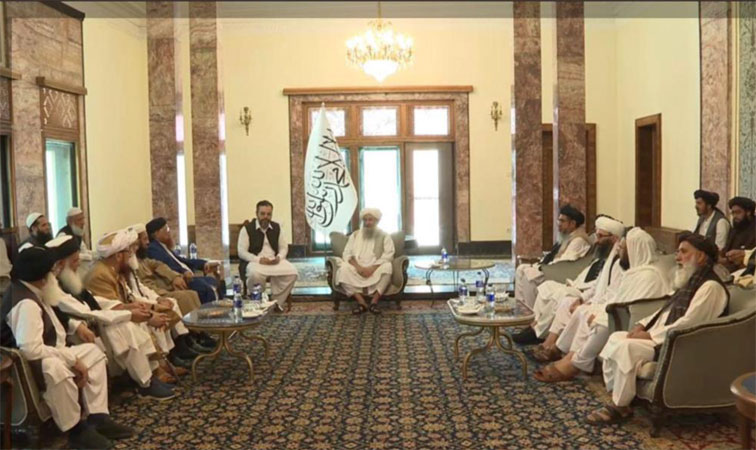
The same report further revealed that three new joint training facilities for al-Qaeda and Khawarij have been established inside Afghanistan, proving an operational nexus between these extremist outfits. The UN estimates that around 6,000 fighters of these groups are currently active in Afghanistan, benefitting from Taliban-provided arms, vehicles, and safe passage.
India’s Invisible Hand
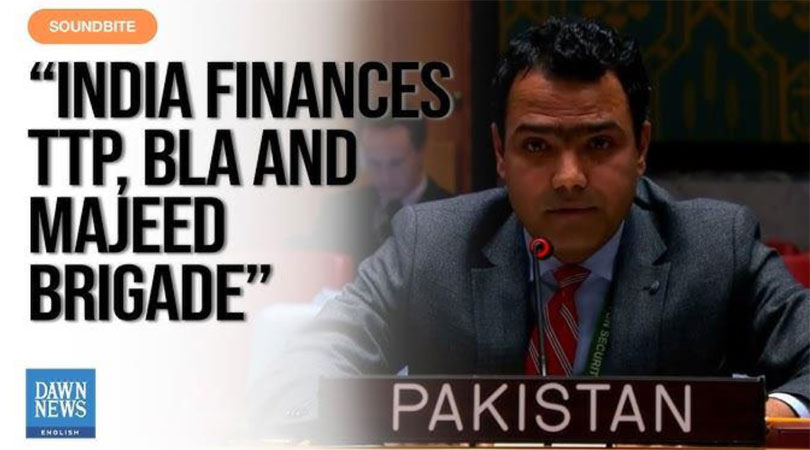
Perhaps the most alarming development is the re emergence of India’s role as a manipulative actor in Afghanistan. The presence of the “Fitna al-Hindustan” and “Fitna al-Khawarij” groups illustrate how New Delhi is exploiting Afghan soil to wage hybrid warfare against Pakistan. Indian intelligence agency RAW has been accused of providing financial and technological assistance to the TTP, BLA and other separatist and extremist networks.
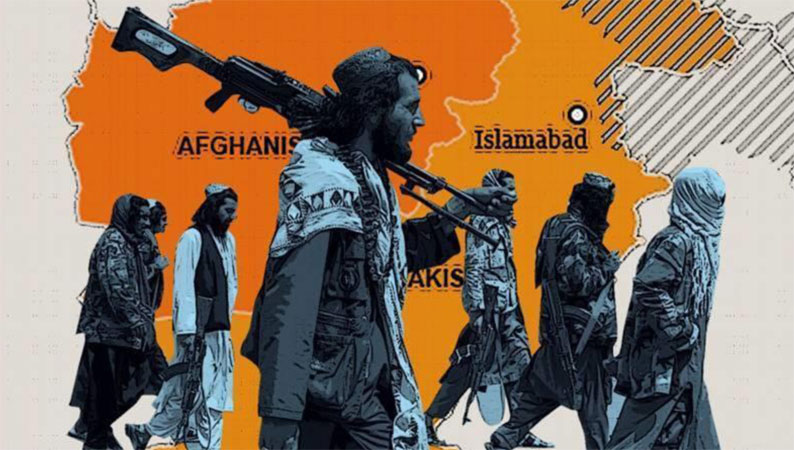
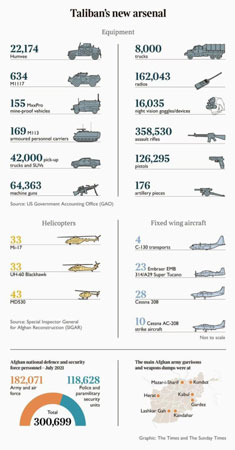
These groups have increasingly been found using US origin weapons left behind in Afghanistan – including M4 carbines, M16 rifles, thermal sights, and night vision devices – now sold or distributed to terrorists operating in Pakistan’s tribal districts and Balochistan.
The Bannu attack earlier this year is a case in point: six terrorists stormed a Frontier Corps training facility, three of whom were Afghan nationals. Similarly, in Dera Ismail Khan, a group named the “Tahafuz-e-Amarat-e Islami Force,” backed by Afghan handlers, targeted police officers, killing seven. Over 207 identified Afghan citizens have so far been killed in Pakistan while conducting terrorist operations. It is indeed a grim testament to the depth of cross-border infiltration.
Pakistan’s Diplomatic Efforts
Despite repeated provocations, Pakistan has consistently chosen dialogue over confrontation. Over the last three years, Islamabad dispatched multiple high-level delegations to Kabul in pursuit of peace and cooperation.
n In July 2022, a delegation of eight prominent religious scholars led by Mufti Taqi Usmani visited Kabul to convince the Taliban leadership to restrain the TTP.
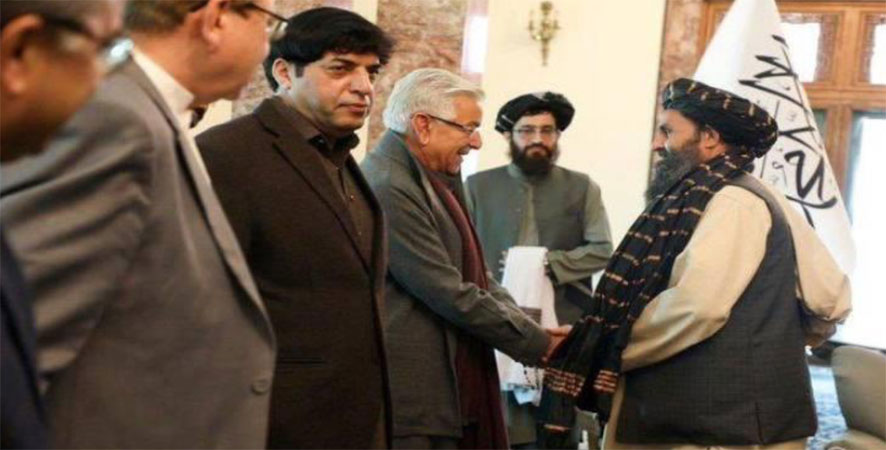
n In February 2023, a ministerial team led by Defence Minister Khawaja Asif and then DG ISI traveled to Kabul for talks on security coordination and border management.
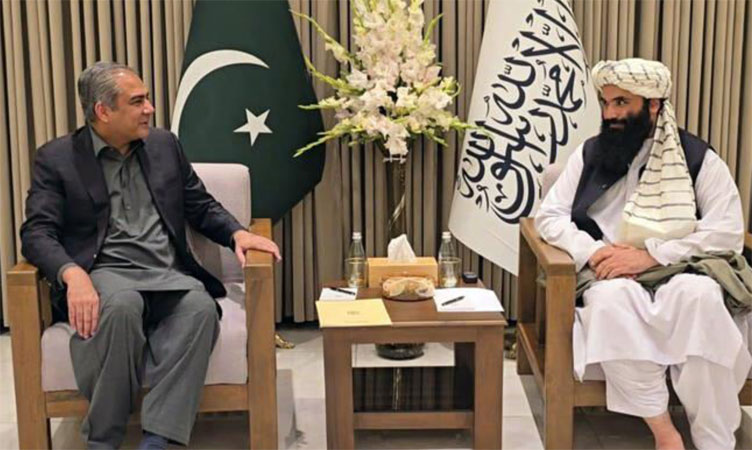
n Again, in July 2024, Interior Minister Mohsin Naqvi visited Kabul counterterrorism measures.
Yet, despite these efforts, terrorist infiltration has continued – proving that Kabul is either unwilling or unable to fulfill its commitments under international law and the Doha Agreement.
Afghanistan’s False Narrative
Following every major terrorist incident in Pakistan, Afghan officials attempt to deflect blame, arguing that “terrorism is Pakistan’s internal issue.” However, social media activity and statements from Afghan-based accounts often betray the truth. For instance, after an attack in Kabul, pro-Taliban handles were the first to declare that TTP leader Noor Wali Mehsud had “survived the operation in Kabul”. It is a claim impossible without insider knowledge. How did these handles know that Noor wali has survived? This digital trail confirms that the Afghan interim government not only harbors but coordinates with militant factions operating against Pakistan.
Refugee Dilemma & Border Misuse
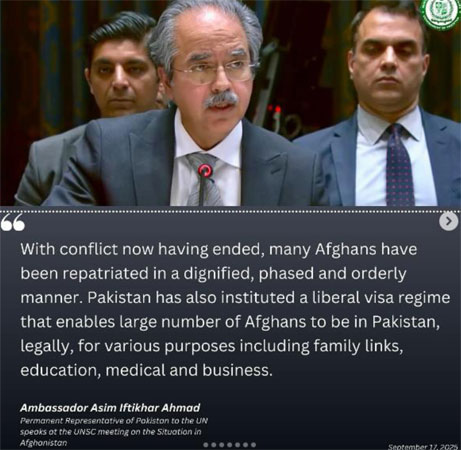
Pakistan’s generosity toward Afghanistan is unmatched. Over the past four decades, the country hosted more than 5 million Afghan refugees, providing shelter, healthcare, and education – including scholarships for over 60,000 Afghan students. Yet, the porous nature of the 2,600-km-long border has allowed militants to exploit humanitarian channels.
Many Afghan citizens continue to cross the border using local permits instead of passports. It is a dangerous loophole frequently misused for smuggling, illegal trade, and terrorist infiltration. Pakistan’s recent decision to regulate undocumented Afghan residents and tighten border control is, therefore, a sovereign and security-driven necessity, not a political maneuver.
Global Responsibility & the Way Forward
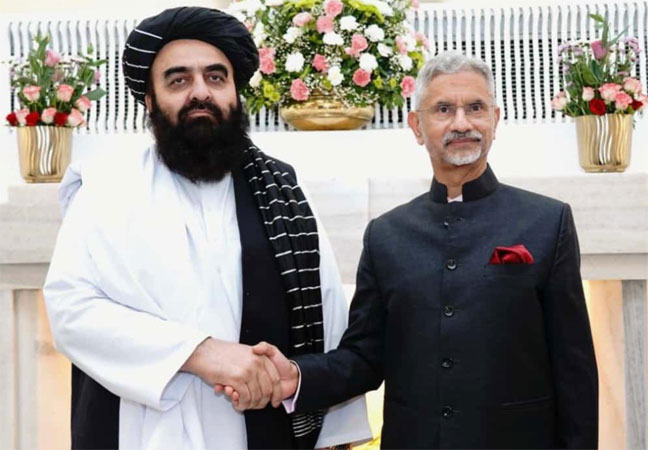
Terrorism is not a bilateral issue – it is a regional and international threat. The Taliban must abandon its policy of denial and act decisively against all militant organizations using Afghan soil. The Afghan government’s repeated pledge that its territory will not be used against any country must now translate into verifiable and visible action. Pakistan continues to emphasize dialogue, diplomacy, and peaceful coexistence. However, as Islamabad has warned, any act of provocation or aggression that endangers Pakistani lives or sovereignty will invite a proportionate and resolute response. For enduring peace, Afghanistan must stop acting as a proxy battleground for India’s anti-Pakistan designs. Recent visit of Afghan Foreign Minister to India has raised eyebrows.
It comes at a time of strained regional scenario. Attack from Afghan Taliban & Indian backed proxies right amidst his visit has raised clear alarms about the development. New Delhi has the long history of exploiting Kabul which demonstrates that India uses Afghanistan only as a strategic pawn against Pakistan. Once its objectives are met, it leaves the Afghan people abandoned, as history repeatedly shows.
Diplomacy Backed by Resolve
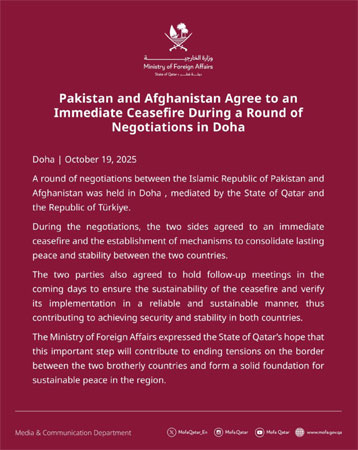
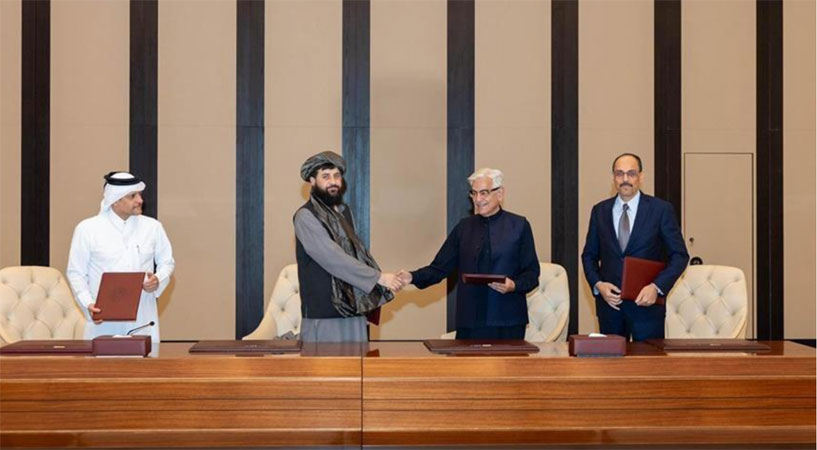
The Pak-Afghan Doha Agreement represents a crucial diplomatic breakthrough following escalating border clashes and militant incursions. Brokered with the active mediation of Qatar and Turkey, the accord underscores Pakistan’s dual approach of firm defence and principled diplomacy. Islamabad entered the Doha talks from a position of strength after targeted strikes on identified terrorist hideouts inside Afghanistan sent an unmistakable message that cross-border aggression would no longer go unanswered.
The negotiations, led by Defence Minister Khawaja Asif and senior Afghan representatives, resulted in a ceasefire and a framework for joint counterterrorism cooperation, aimed at preventing Afghan soil from being used by TTP, BLA, or other anti-Pakistan elements. The agreement narrows the space for India’s proxy networks in Afghanistan, which have long exploited instability to undermine Pakistan’s security.
Vital Role by Turkey & Qatar
Qatar and Turkey played an indispensable role in this breakthrough. Their constructive engagement not only helped de-escalate tensions but also restored a channel for sustained dialogue between Islamabad and Kabul. Pakistan has lauded Qatar’s diplomatic facilitation and Turkey’s stabilizing influence, both of which paved the way for the upcoming Istanbul Dialogue on Terrorism, Migration, and Border Security – envisioned as a platform for long-term regional peace. The involvement of these two brotherly nations as guarantors of the new accord lends international credibility to the process and creates a mechanism for accountability should the Taliban fail to meet their commitments.
Doha Ceasefire: A Test?
Pakistan’s stance is neither confrontational nor dismissive. It is anchored in the principles of mutual respect, non-interference, and regional stability. Islamabad envisions a peaceful and prosperous Afghanistan that contributes to the security of South and Central Asia, not undermines it. Recent talks in Doha signal a cautious but constructive step toward de escalation. The dialogue focused on curbing cross border violence and establishing a framework for joint counterterrorism mechanisms. While both sides acknowledged the need for restraint, Pakistan reiterated that sustainable peace hinges on the Afghan government’s verifiable action against TTP and affiliated networks. Peace always requires reciprocity. The Taliban leadership must understand that harboring terrorists threatens not only Pakistan but Afghanistan itself. The continuation of this policy risks turning Afghanistan into a pariah state once again – isolated, mistrusted, and exploited by foreign interests. Peace is Pakistan’s priority, but security is its obligation. The Doha channel may yet provide a path to normalization, but only if Kabul matches words with deeds. The time for excuses is over; Kabul must act, not just assure.