Syria announced on Tuesday that it is working with the United States to establish mutual “security understandings” with Israel aimed at calming tensions in southern Syria. The announcement comes as part of a US- and Jordan-backed roadmap to restore stability following sectarian clashes that recently drew Israeli intervention. A Syrian military official confirmed that heavy weapons had already been withdrawn from the south to ease tensions and address Israel’s long-standing demands for demilitarisation in the region.
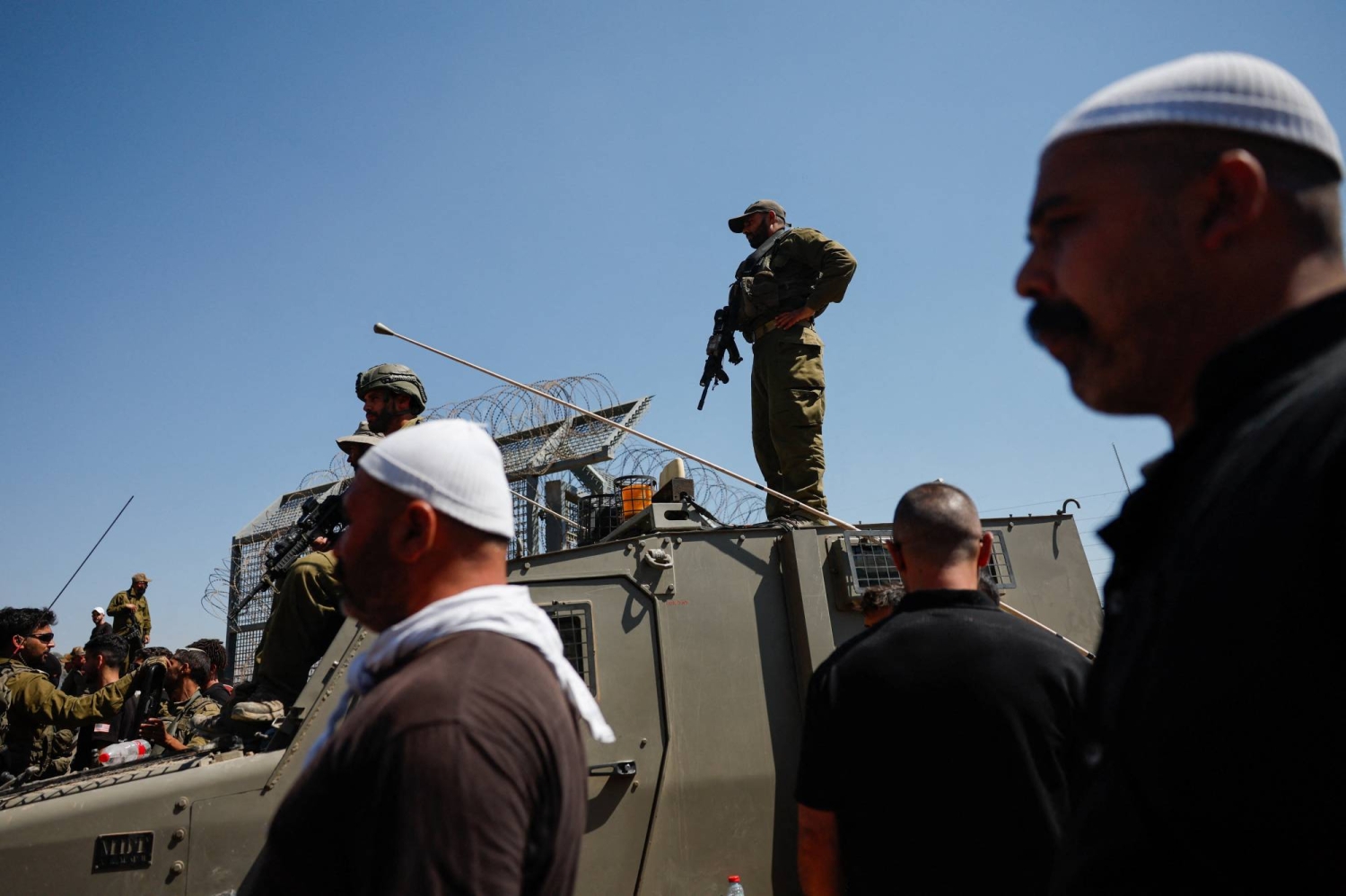
The Syrian foreign ministry said Washington, after consultations with Damascus, will pursue agreements addressing the security concerns of both Syria and Israel. This move follows weeks of bloodshed in Sweida province that erupted on July 13 between Druze fighters and Sunni Bedouin before escalating to involve government troops and tribal militias. Israel carried out air strikes during the violence, citing the need to protect the Druze minority and enforce its security requirements.
Diplomatic sources revealed that Syrian forces have pulled back heavy weapons up to 10 kilometres (six miles) from areas near the capital. Israeli Prime Minister Benjamin Netanyahu confirmed in August that talks were ongoing to create a demilitarised zone in southern Syria. Though technically at war since 1948, Syria and Israel have engaged in multiple indirect negotiations. A new meeting between officials from both sides is planned for Friday in Baku, Azerbaijan, to further discuss security measures and regional stability.
Foreign Minister Asaad al-Shaibani unveiled a roadmap backed by Jordan and the United States to support reconciliation and justice in southern Syria. The plan includes compensating victims, holding attackers accountable, and initiating community-level reconciliation processes. Jordanian Foreign Minister Ayman Safadi said a joint mechanism involving Syria, Jordan, and the US would monitor the implementation, while US envoy Tom Barrack described the proposed steps as “historic.” These measures aim to prevent renewed violence in Sweida and strengthen regional peace efforts.
Despite the ceasefire, tensions in Sweida remain fragile, with local Druze forces controlling the city and government troops securing the rest of the province. The Syrian Observatory for Human Rights reported that the recent violence claimed over 2,000 lives, including hundreds of Druze civilians allegedly executed by security forces. Druze spiritual leader Hikmat al-Hijri previously called for Israeli assistance and advocated for a separate Druze region in southern Syria. The involvement of US-backed diplomacy and regional cooperation underscores the growing urgency to stabilise the south and prevent future escalations.