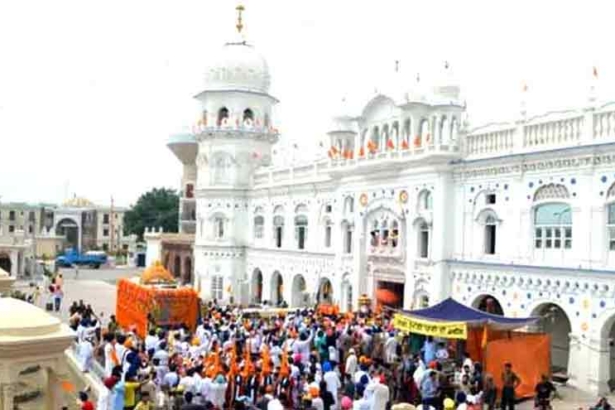
India has barred Sikh pilgrims from attending the 486th death anniversary of Baba Guru Nanak Dev Ji in Pakistan, creating disappointment among devotees eager to visit their founder’s sacred sites. The commemorative event is scheduled for September 22 at Gurdwara Darbar Sahib in Kartarpur, one of Sikhism’s holiest shrines. Despite Pakistan’s official invitation to Indian Sikhs, the government in New Delhi has denied them permission to cross the border, further straining religious ties.
Moreover, the continued closure of the Wagah-Attari border and the Kartarpur Corridor has left Indian Sikh devotees unable to perform their pilgrimage. This decision has sparked frustration among community leaders, who stress the deep spiritual importance of such visits. Many Sikhs had been preparing for months to make the journey, underscoring how the denial has disrupted long-held traditions and emotional connections to sacred sites in Pakistan.
However, Pakistan has welcomed Sikh pilgrims from other countries, including the United States, United Kingdom, and several European nations. These international devotees are already arriving in Pakistan to participate in the ceremonies at Gurdwara Darbar Sahib. This contrast between India’s restrictions and the open invitation to others highlights growing tensions over religious access, while Pakistan continues to promote its role as a facilitator of interfaith harmony.
Furthermore, Sardar Ramesh Singh Arora, Chairman of the Pakistan Sikh Gurdwara Prabandhak Committee, strongly condemned India’s move. He described the refusal as a violation of Sikhs’ fundamental religious rights, emphasizing that faith-based visits should remain separate from political disputes. Arora urged both governments to uphold Sikhism’s sacred traditions and avoid actions that undermine freedom of worship, especially for a community that deeply values pilgrimage.
This latest development underscores the fragile state of cross-border religious cooperation between India and Pakistan. It also raises concerns among global Sikh communities about future access to their holiest sites. As tensions between the two nations persist, the incident has renewed calls from religious leaders and international observers for both countries to protect religious freedoms, promote dialogue, and separate political differences from matters of faith.