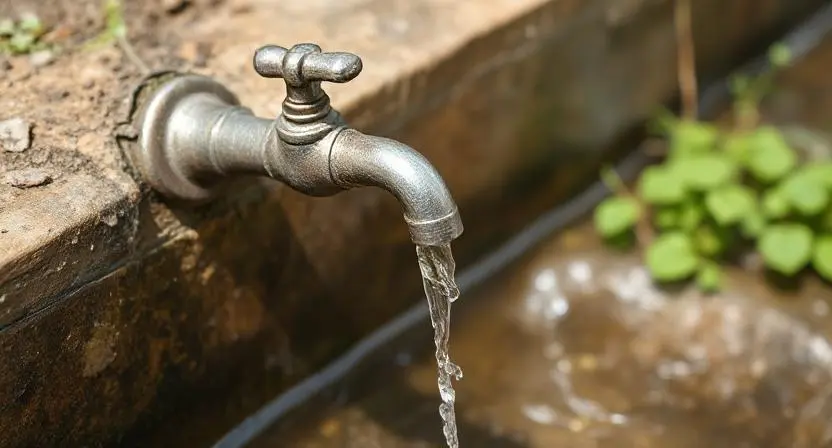
A new report released by UNICEF and the World Health Organization during World Water Week reveals that millions of people in vulnerable communities still lack access to safe drinking water. The findings highlight that despite global progress, many low-income, rural, and marginalized populations remain behind in receiving basic water services.
The report shows that in 2024, approximately one in four people worldwide—around 2.1 billion individuals—still do not have safely managed drinking water. Among them, 106 million people rely directly on untreated surface water, exposing them to serious health risks and waterborne diseases.
According to the ‘Progress on Household Drinking Water and Sanitation 2000–2024’ report, while some improvements have occurred, major gaps remain. The most affected groups include residents of low-income countries, people living in unstable regions, children, and ethnic or indigenous minorities who face systemic barriers to water access.
Since 2015, about 961 million people have gained access to safe drinking water, increasing global coverage from 68 percent to 74 percent. Meanwhile, the number of people using untreated surface water decreased by 61 million, but countries like Pakistan saw a small drop in urban coverage from 94 percent to 93 percent.
Improvements in sanitation were also recorded, with the number of people lacking basic hygiene services dropping from 2.7 billion to 1.5 billion. Urban populations benefited the most, with 1.7 billion gaining safe sanitation, raising global coverage from 48 percent to 66 percent over the period.
The report also emphasized inequality, noting that in 2024, 1.4 billion people still lacked basic services. Additionally, 287 million relied on limited services, while 302 million depended on substandard facilities. Experts stressed the urgent need for targeted policies to ensure equitable access to safe water and sanitation worldwide.