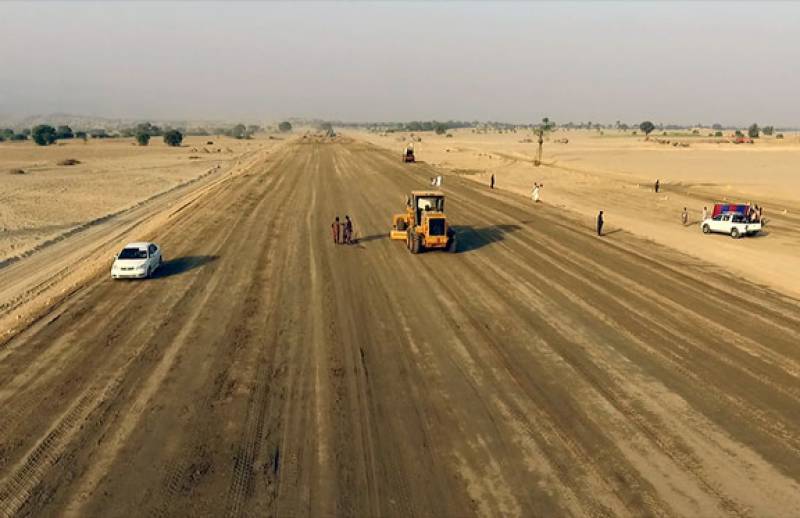
Lawmakers have raised serious concerns about the National Highway Authority (NHA), accusing it of irregularities, ghost tendering, and collusion in the award of the Rs170 billion Carec Tranche-III project. The contract was reportedly given to a joint venture previously disqualified for failing to complete the 62-kilometer Lodhran-Multan section. Despite objections, NHA maintained the deal, raising further suspicions of rule violations and favoritism.
The parliamentary committees of both houses reviewed the contract for four months but complained that NHA failed to submit the required documents to counter the allegations. They found that the project was initially awarded on the basis of auditor sheets without properly verifying the joint venture’s credentials. Such actions, according to lawmakers, violated established Public Procurement Authority rules.
Furthermore, two additional projects linked to the same joint venture also came under scrutiny. These included the Gilgit-Shandur motorway project and the Hanzol Hydropower Project, where lawmakers identified irregularities in bid documents, work orders, and audit reports. Committees stressed that transparency must be ensured in national development projects to safeguard public money.
In its findings, the Public Procurement Regulatory Authority endorsed the parliamentary committees’ concerns and demanded that NHA provide details of the contractor’s technical and financial capacity. However, under the rules, new documents cannot be introduced if they were not part of the original bid. This created further complications in addressing the matter fairly.
During a Senate committee meeting earlier this month, lawmakers described the case as an “open-and-shut” example of corruption. They directed NHA to restart the bidding process and ensure transparency. The committee’s final verdict is expected in its upcoming session, and officials emphasized that no leniency would be shown in cases of misuse of authority.
The Central Asia Regional Economic Cooperation (CAREC) program, supported by the Asian Development Bank since 1997, aims to boost regional connectivity. Tranche-III includes four lots from Rajanpur to DI Khan and involves several regional countries. However, lawmakers warned that irregularities in awarding such projects undermine trust, delay progress, and damage Pakistan’s credibility in international partnerships.