Saudi Arabia has officially launched the Aseer Summer Season 2026, a large-scale tourism initiative designed to strengthen the kingdom’s tourism industry and accelerate economic diversification efforts. The programme was inaugurated by Prince Turki bin Talal bin Abdulaziz and forms part of the broader goals outlined under Saudi Vision 2030 to expand tourism, create jobs and attract international visitors throughout the year.
Officials expect the season to draw more than three million visitors through an extensive schedule featuring 122 events and 100 bookable tourism experiences. In addition, authorities anticipate the initiative will generate around 3,000 seasonal employment opportunities while supporting local businesses and boosting economic activity across the region during the busy summer months.
The programme aims to achieve a hotel occupancy rate of 55% and average visitor spending of SAR1,287, highlighting the government’s confidence in the region’s growing tourism appeal. Organisers believe these targets will contribute significantly to local economic development while strengthening Aseer’s position as one of Saudi Arabia’s leading travel destinations.
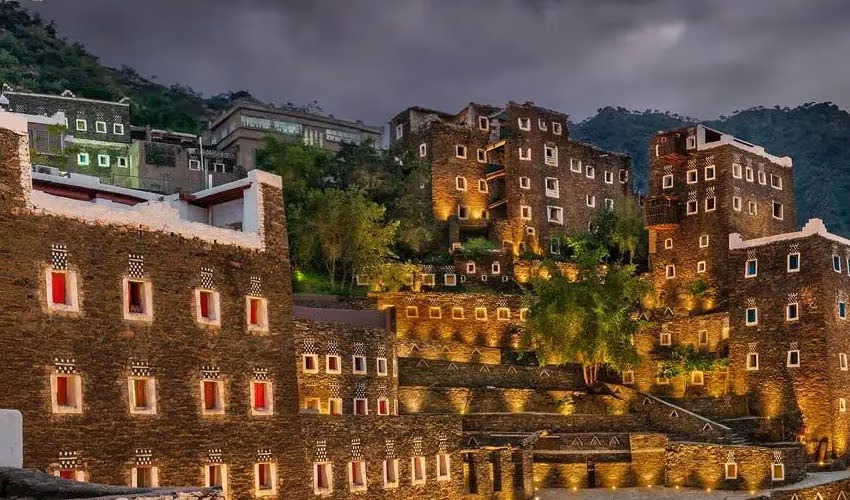
Located in southwestern Saudi Arabia, the Aseer region is renowned for its mild climate, scenic mountains, traditional villages and rich cultural heritage. The summer season will showcase these attractions through a variety of experiences, including mountain tourism, cultural festivals, outdoor adventures and family-friendly entertainment designed to appeal to both domestic and international travellers.
To support the expected influx of visitors, authorities have expanded tourism infrastructure across several governorates within the region. More than 14,000 hospitality units, including hotels, resorts and furnished accommodations, will be available to welcome guests. Officials say these investments will help establish Aseer as a sustainable year-round destination capable of meeting growing tourism demand.
The launch reflects Saudi Arabia’s continued commitment to making tourism a major pillar of its future economy. Through ongoing investments in destinations, events and hospitality services, the kingdom is seeking to reduce reliance on oil revenues while creating new opportunities for growth, employment and international engagement through a thriving tourism sector.