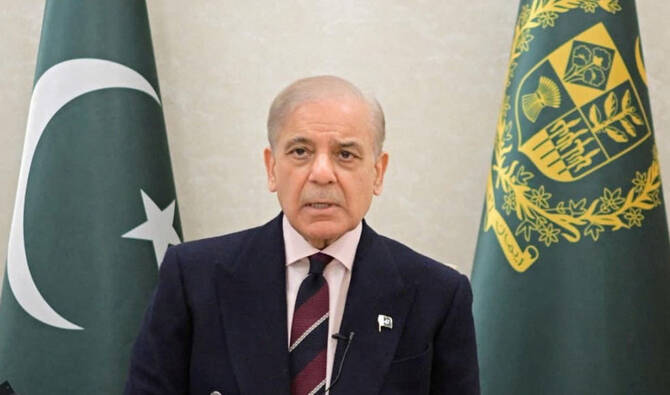
Shehbaz Sharif strongly condemned recent drone and missile strikes targeting civilian infrastructure in the United Arab Emirates, expressing full solidarity with President Sheikh Mohammad bin Zayed Al Nahyan and the Emirati people. He described the attacks as deeply concerning and reaffirmed Pakistan’s support during what he called a difficult and sensitive time for the region.
In his statement, the prime minister stressed the urgent need to uphold the existing ceasefire and called for restraint from all sides to prevent further escalation. He emphasised that maintaining peace would allow diplomatic efforts to continue, creating space for dialogue aimed at achieving long-term stability and security across the Gulf region.
Read more : Pakistan strongly condemned attacks on UAE, urges ceasefire respect
The condemnation followed reports that the UAE had been targeted by Iranian strikes, including an attack on the key energy hub in Fujairah, where three Indian nationals were injured. This strategic location lies outside the Strait of Hormuz, making it a crucial export route for oil that avoids one of the world’s most sensitive maritime chokepoints.
UAE officials described the strikes as a dangerous escalation and an unacceptable violation of sovereignty, warning that the country reserves the right to respond. Meanwhile, Iranian state media reported that the attacks were carried out in response to what it described as US military actions, further intensifying tensions in the already volatile region.
Read more : PM Shehbaz Sharif Demands Federal Cabinet Performance Reports …
The latest incident has disrupted a period of relative calm that followed a Pakistan-mediated ceasefire between Washington and Tehran, which had paused weeks of intense conflict earlier this year. Notably, Fujairah had already been targeted in a previous drone attack in March, which damaged port facilities and temporarily halted oil operations.
In addition, India also condemned the attacks and urged an immediate halt to hostilities, while calling for uninterrupted navigation through the Strait of Hormuz in line with international law. As global concerns grow, regional and international actors continue to push for diplomatic solutions to prevent further instability and protect critical infrastructure.