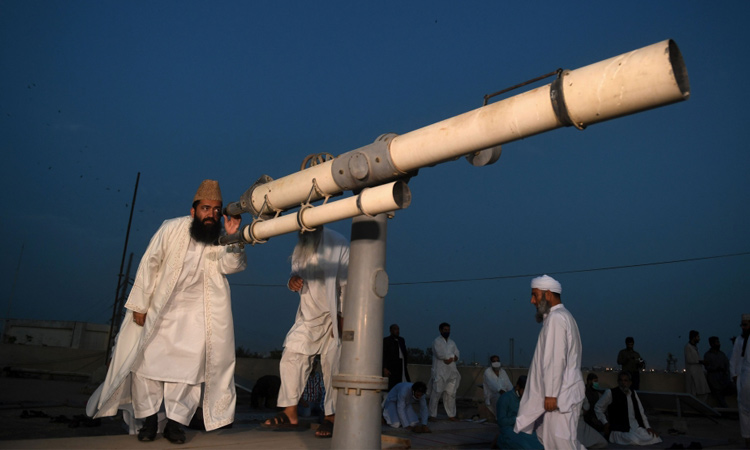
Pakistan’s central moon-sighting committee, the Ruet-e-Hilal Committee (RHC), will meet today in Peshawar to determine the start of Ramadan.
Unlike many countries using astronomical calculations, Pakistan relies on verified eyewitness sightings of the crescent moon from across the country. The committee will gather testimonies from regional and district-level observers before making an official announcement on the start of the holy month.
The RHC meeting will be chaired by Maulana Abdul Khabir Azad, with zonal and district committees submitting reports in parallel. Pakistan’s national space agency indicated the Ramadan crescent is likely to be visible on February 18. If confirmed, fasting will begin on February 19.
Read more: Ramadan 2026 fasting hours worldwide
The committee convenes before every Islamic month and prior to Eid holidays to ensure accurate determination of dates. Eyewitness testimony remains the primary method for fixing Islamic dates in Pakistan, reflecting the country’s traditional approach to religious observances.
During Ramadan, Muslims fast from dawn to sunset, engaging in prayer, charity, and self-discipline. The month concludes with Eid Al-Fitr, a major religious festival celebrated by millions across Pakistan and the world.
Read more: Ramadan 2026 moon sighting points to February 19
Officials emphasize that the announcement of Ramadan’s start ensures uniform observance nationwide, helping families, businesses, and religious institutions plan schedules for fasting, prayers, and community events.