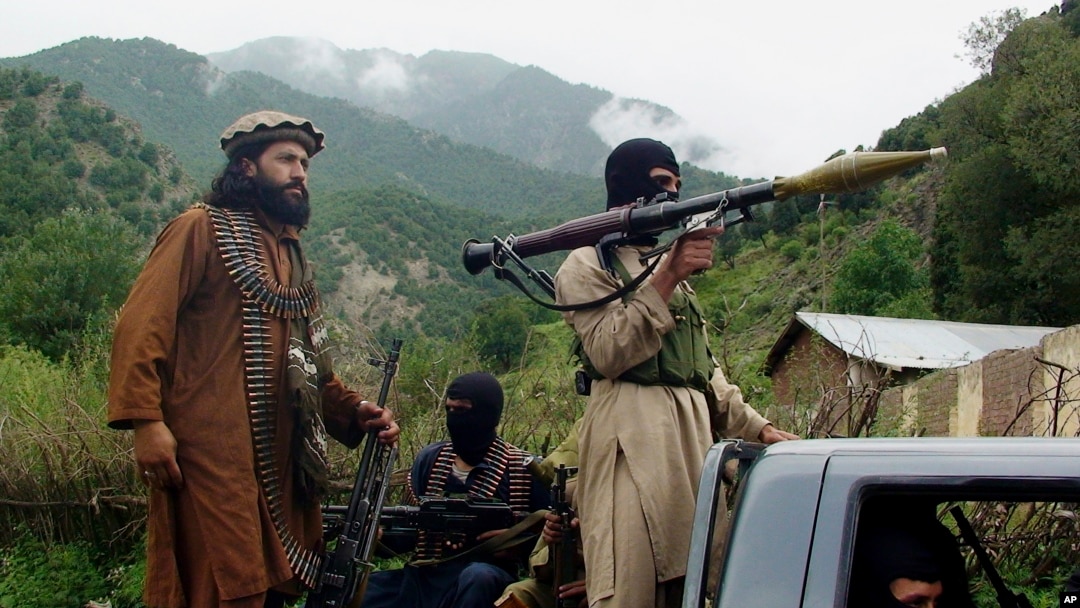
ISLAMABAD – A United Nations (UN) Security Council report has warned that the Tehreek-i-Taliban Pakistan (TTP) continues to enjoy preferential treatment under the Taliban regime in Afghanistan, raising concerns among member states about the group’s potential as an extra-regional threat.
Read More: Taliban must stop TTP operating from Afghan soil: UN
The warning appears in the 37th report of the UN Security Council’s Analytical Support and Sanctions Monitoring Team, covering July to December 2025. The report noted that the TTP was granted greater operational freedom than other militant groups, allowing it to expand cross-border attacks against Pakistan. Of the more than 3,500 attacks attributed to the TTP last year, over 2,100 occurred in the second half alone.
The UN report has exposed the Afghan Taliban’s claims.
The world is not ready to believe that #Afghanistan is free from terrorists, the presence of TTP, Al-Qaeda and ISIS is itself proof of the Taliban’s failure and duplicity. pic.twitter.com/ZAqJ38kXze— Jahanzaib (@jahannzaib_) February 10, 2026
The TTP is believed to maintain a strong presence in eastern and southeastern Afghan provinces, including Kunar, Nangarhar, Khost, Paktika, and Paktia, with reports of expanded training centres, some linked to the Haqqani Network. The UN report highlighted Taliban tolerance or active support, including safe houses, movement passes, weapons permits, and logistical assistance. Conservative estimates place TTP fighters in Afghanistan at around 6,000.
The report also noted concerns that the TTP could deepen collaboration with Al Qaeda-aligned groups, potentially broadening the scope of attacks beyond South Asia. Al Qaeda in the Indian Subcontinent (AQIS) was reported to be active in south-eastern Afghanistan, providing training and operational support.
Meanwhile, the Islamic State Khorasan (ISIL-K) remains resilient despite counterterrorism efforts, particularly in northern Afghanistan and near the Pakistani border. The group retains significant operational capabilities and continues to expand cyber operations to aid recruitment, propaganda, and planning.
Read More: Denmark flags TTP threat at UN, Pakistan urges broader sanctions
The UN report emphasized growing cooperation among militant groups, including the TTP, ISIL-K, and the Balochistan Liberation Army, through shared training camps and coordinated operations, posing ongoing regional and international security challenges.