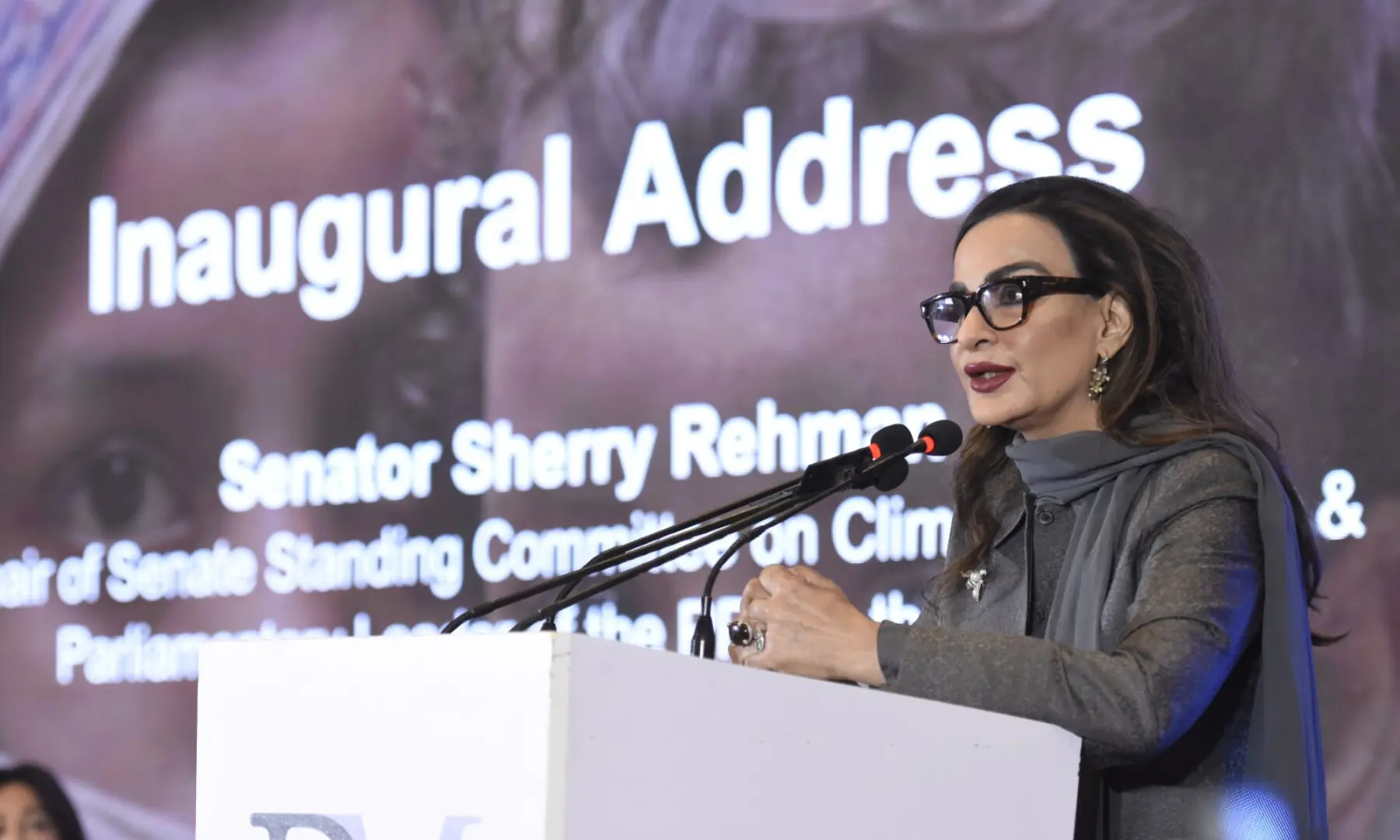
ISLAMABAD: The two-day “Pakistan Population Summit” began in Islamabad on Sunday, focusing on the urgent need to recognise population planning as an investment in the country’s development.
Read More: Pakistan Population Summit opens to address rising demographic challenges
The event, organised by DawnMedia, brings together politicians, economists, development specialists, private sector leaders, and experts to develop a shared vision for a sustainable future.
Pakistan, with over 241 million people, is the fifth most populous country globally, adding four to five million people each year. Its population growth rate of 2.4 per cent is the highest in South Asia, placing immense pressure on health systems, food and water security, and employment opportunities.
In her keynote address, Senator Sherry Rehman termed Pakistan’s population growth a “ticking time bomb.” She noted that contraception prevalence rate (CPR) stood at only 34pc and stressed the need for cheap and accessible birth control. “Every 50 minutes, a woman dies due to pregnancy or childbirth complications,” she said, highlighting maternal health concerns.
Rehman also emphasised the link between population growth, climate change, and resource scarcity. She said excessive water consumption burdened women, with 72pc of their day spent carrying water. “Population numbers stretch resources further, making it harder to shelter, feed, house, and provide for people during disasters,” she said.
Dawn CEO Nazafreen Saigol-Lakhani noted Pakistan’s young population, with a median age just over 20 years, and highlighted how rapid growth strains education, healthcare, housing, and energy systems. She said the summit aimed to foster informed national debate through expert analysis and reporting.
Read More: Pakistan’s Population Promise Amid Political Reforms
Speakers agreed that unchecked population growth threatens Pakistan’s ability to meet Sustainable Development Goals (SDGs) by 2030, with over 104 million jobs expected to be needed by 2040. The summit seeks actionable solutions to balance population growth with sustainable economic and social development.