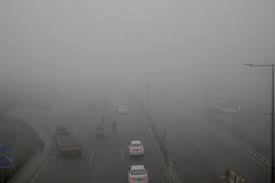
Punjab smog control entered a new phase as the government launched major reforms to clean the province’s air. Officials said the system now focuses on long-term planning instead of seasonal reactions. The province expanded its air monitoring network from only three stations to 75, with more coming. AI forecasting now predicts smog patterns seven days in advance. This shift helps authorities prepare early and reduce risk for citizens.
The government also built a central Smog War Room that connects weather units, enforcement teams, and monitoring dashboards. This allows quick decisions during peak smog days. Experts said smog comes from many sources, including dust from unpaved roads and construction sites. Punjab responded by using high-capacity mist cannons to control dust over long distances. New rules now require sprinkling and fencing at all construction sites. These steps aim to cut particulate levels before winter peaks.
READ MORE:Thick smog lingers over Punjab, Lahore struggles with toxic air
Fuel and vehicle emissions received equal attention under the new plan. Punjab built three advanced fuel testing labs and deployed mobile units to check fuel quality daily. The province also launched a new vehicle emission testing system with 100 analysers. More than 260,000 vehicles have been screened this year. The Environmental Protection Force, equipped with electric bikes and body cameras, now enforces rules across hotspot districts. Citizens can report violations through a helpline, chatbot, or the Green Punjab App.
Officials said the reforms now form a province-wide Clean Air Framework that links industry, transport, and agriculture. The Punjab climate policy turned environmental goals into full government action. The province also targeted stubble burning with satellite alerts, ground inspections, and new farming technology. Punjab subsidized 5,000 super seeders and plans more to reduce open burning. Mechanized harvesting now covers over half a million acres, lowering smoke levels across rural areas.
READ MORE:Lahore ranked second most polluted as Punjab suffocates
Industries also underwent major changes under Punjab smog control efforts. Officials mapped over 13,500 industrial units and shifted inspections to digital monitoring and drones. Soft loans helped factories install cleaner systems. A large tree plantation drive created new green buffers around cities. New financing tools, including a $50 million Environment Endowment Fund and Green Credit incentives, support long-term plans. Officials said recovery will take years, but Punjab smog control is the only sustainable path forward.