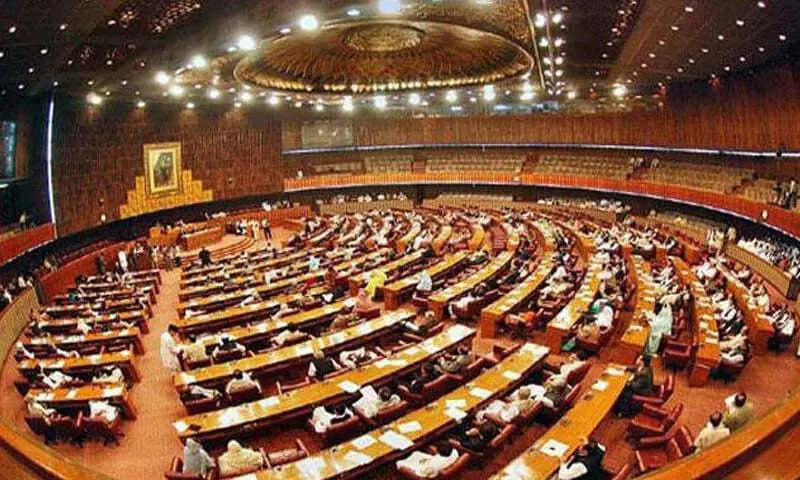
ISLAMABAD – Pakistan is facing a fast-growing electronic waste (e-waste) crisis, with lawmakers warning there is no official policy for its safe disposal. During a meeting of the National Assembly’s Standing Committee on Climate Change, Chairperson Munaza Hassan strongly criticised the Islamabad Environmental Protection Agency (EPA), calling its officials “completely incompetent.” She even remarked sarcastically that if the EPA can’t act, it should “ask ChatGPT to draft the entire policy.”
The meeting, held at Parliament House, discussed the Pakistan Environmental Protection (Amendment) Bill 2025 and the rising e-waste problem. Committee member Shahida Rehmani expressed serious concern, saying Pakistan is moving toward electric vehicles but ignoring the health risks posed by accumulating e-waste. She said the absence of a clear disposal plan poses environmental and public health dangers.
Read more: Punjab intensifies anti-smog operation across Lahore city
Meanwhile, the Secretary of Climate Change Ministry informed the committee that efforts are underway to regulate e-waste in collaboration with the telecom sector. He said a draft policy is being developed, and regulations are being strengthened. However, he admitted that most e-waste enters the country via smuggling, which is the responsibility of border forces to prevent.
The EPA Islamabad came under sharp fire during the meeting. Islamabad’s Deputy Commissioner said that emission testing machines have been borrowed from the Punjab government, and new equipment is being procured. However, he admitted that the EPA lacks a working system to tackle emissions and pollution. He noted that “the world has moved on to mobile-based monitoring,” but Pakistan still struggles with basics.
Read more: Severe Weather Alert Issued for Makkah, Madinah Regions
The standing committee recommended launching public awareness campaigns on e-waste, improving EPA’s capacity, and tightening border controls to block smuggled e-waste. Lawmakers stressed the urgency of acting now before the problem becomes unmanageable.