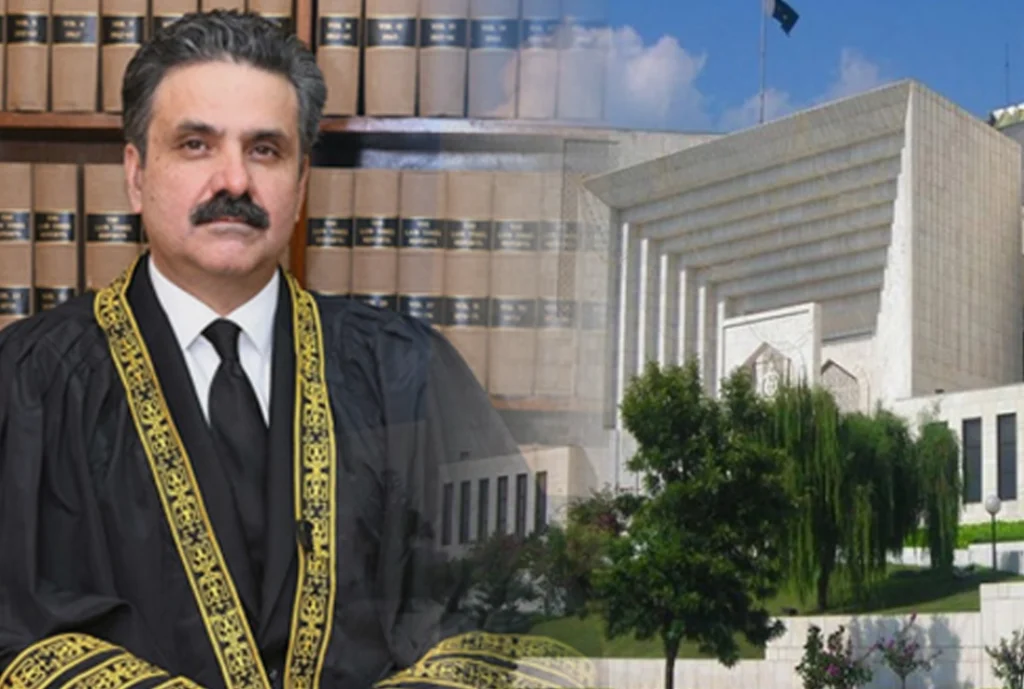
The Supreme Court of Pakistan has introduced the Supreme Court Rules 2025, revising case fees and procedural timelines for the first time in 45 years. These rules, effective from August 6, 2025, replace the 1980 framework. The updated regulations aim to modernize court operations, promote digitization, and ensure greater transparency in the judicial process. Pending cases will continue under the old rules, ensuring a smooth transition.
Under the new fee structure, charges for CPLA, civil appeals, and constitutional petitions are set at Rs2,500, while civil reviews cost Rs1,250. The fee for intra-court appeals is now Rs5,000, security challan Rs50,000, and affidavits or concise statements Rs500 each. Other applications will require Rs100, while jail petitions will remain exempt from court fees. These changes are expected to standardize costs and simplify the filing process for litigants.
A major procedural reform includes extending the filing period for criminal appeals from 30 to 60 days, and allowing direct civil appeals within 60 days as well. Objections by the registrar’s office must be challenged within 14 days. Additionally, review petitions must be filed within 30 days, accompanied by a certified copy of the judgment and immediate notification to the opposing party.
The rules also require certified documents and affidavits for petitions based on new evidence. Petitioners must clearly state review grounds, and frivolous cases may attract fines up to Rs25,000. Review petitions will generally be heard by the same bench that issued the original ruling, unless a judge has retired or resigned, in which case remaining members will hear the case.
The updated rules were developed by a committee led by Justice Shahid Waheed, with Justices Irfan Saadat, Naeem Akhtar Afghan, and Aqeel Ahmed Abbasi as members. Acting on Chief Justice Yahya Afridi’s directives, the committee sought input from judges, the Supreme Court office, bar councils, and legal associations. This collaborative process aimed to align court procedures with modern legal needs.
By introducing these reforms, the Supreme Court seeks to make legal proceedings more efficient, reduce unnecessary delays, and improve access to justice. The new rules mark a significant step toward a more responsive and technologically equipped judicial system in Pakistan.