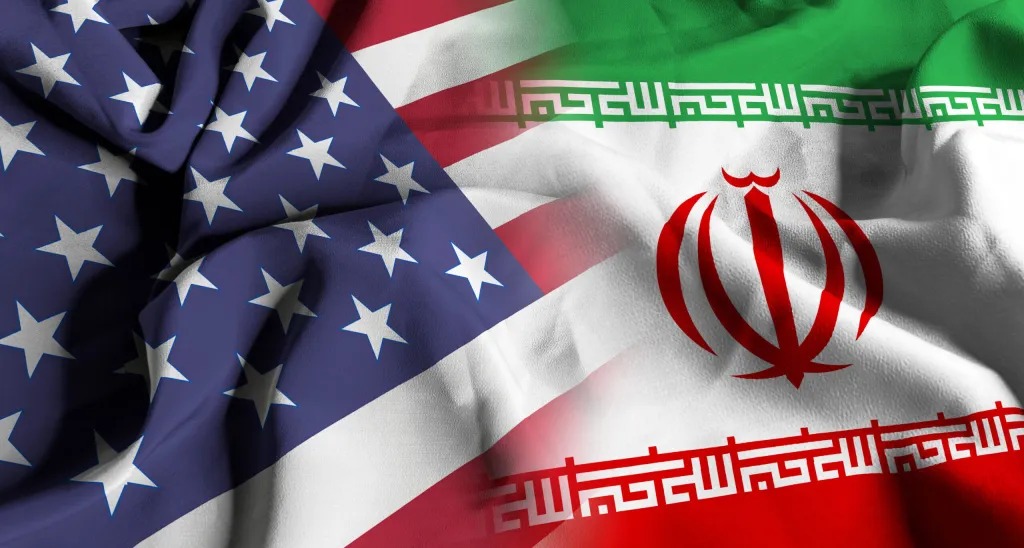
The United States and Iran have reached a preliminary framework agreement aimed at ending months of conflict, restoring maritime trade routes, and reducing tensions across the Middle East. The memorandum of understanding is expected to be formally signed in Switzerland on Friday, while both sides have agreed to begin implementing key measures immediately. Pakistan played a major mediation role in the negotiations, with Prime Minister Shehbaz Sharif announcing that the breakthrough had been achieved after intensive diplomatic efforts.
Under the framework, military operations are set to end permanently across all fronts, including Lebanon, where ongoing clashes between Israel and Hezbollah had complicated negotiations. Iranian authorities confirmed that hostilities would cease from Monday night, while officials indicated that a broader agreement covering sanctions relief and other outstanding issues would be negotiated during a 60-day ceasefire period. The arrangement is being viewed as an important first step toward wider regional stability.
The deal also includes plans to reopen the Strait of Hormuz, one of the world’s most important energy shipping routes, and end the United States blockade of Iranian ports. The waterway has remained heavily disrupted for months, affecting global oil and gas supplies and contributing to higher energy costs worldwide. Financial markets reacted positively to the announcement, with oil prices falling sharply and stock markets across Asia posting gains.
However, major questions remain unresolved, particularly regarding Iran’s nuclear program. Officials from both countries have agreed to leave the issue for future negotiations, where sanctions relief, uranium enrichment, and international monitoring mechanisms are expected to dominate discussions. Iran maintains that its nuclear activities are peaceful, while Western powers continue to seek stronger guarantees that the program will not be used for weapons development.
The conflict has caused significant human and economic losses since fighting escalated in late February. Thousands of people, mainly in Iran and Lebanon, have been killed, while disruptions in regional trade and energy markets have affected economies around the world. Political pressure has also increased on leaders involved in the conflict as voters expressed concerns about rising fuel prices and broader economic uncertainty.
International leaders broadly welcomed the agreement and called for continued diplomacy to secure a lasting settlement. European powers signaled a willingness to consider easing sanctions if Iran takes verifiable steps to limit its nuclear activities, while lawmakers in Washington stressed that any future nuclear arrangement would face congressional review. Although difficult negotiations lie ahead, the framework agreement has created renewed optimism that a wider and more durable peace may now be within reach.